 Save
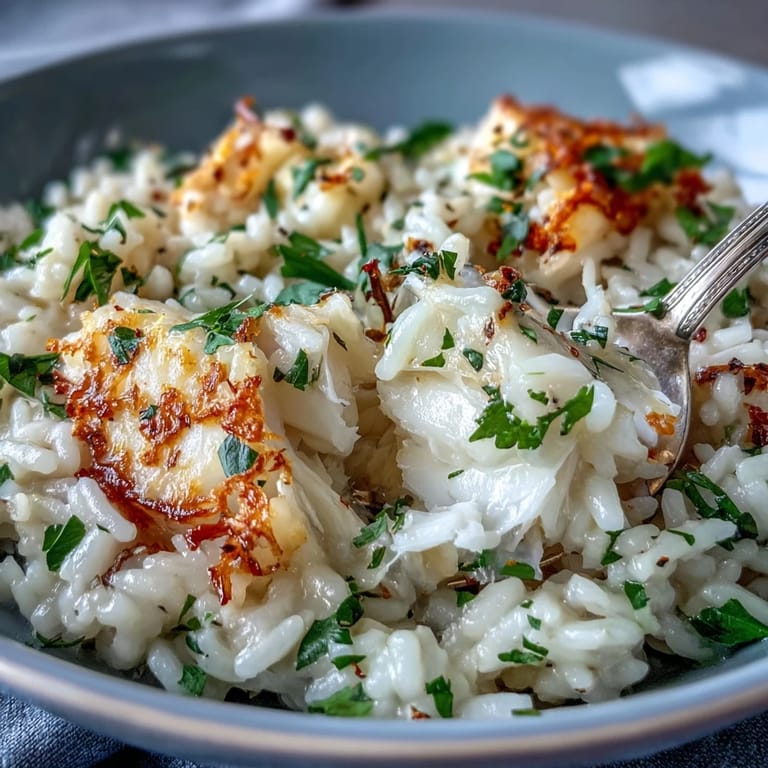
Save My neighbor once mentioned over the garden fence that she'd never quite mastered risotto, always ending up with something either gluey or crunchy. That weekend, I invited her over and we made this smoked haddock version together, and watching her face light up when that first spoonful melted on her tongue reminded me why this dish deserves a permanent spot in my kitchen rotation. There's something almost meditative about the constant stirring, the way the rice gradually transforms from individual grains into something silky and alive, especially when you're cooking with someone who's never quite believed they could pull it off.
I made this for my mum when she was recovering from a cold, and she actually asked for seconds, which she never does. That moment when she said it tasted like something she'd eat in a fancy restaurant but also like home cooking felt like the highest compliment I could get.
Ingredients
- Smoked haddock fillets, 350 g: Choose undyed fillets if you can find them, as they have a gentler, less aggressive smoke flavor that won't bully the risotto, and the pale color looks far more elegant on the plate.
- Whole milk, 500 ml: The poaching liquid does double duty here, infusing the rice with the essence of the fish while keeping everything silky and luxurious.
- Fish or vegetable stock, 700 ml: Keep it hot in a separate pot the entire time you're cooking, because adding cold stock will stop the rice from cooking properly and ruin the creamy texture you're after.
- Arborio or Carnaroli rice, 300 g: These short-grain varieties have the starch content that creates that signature risotto creaminess, so don't be tempted to use long-grain rice.
- Onion, 1 medium: Finely chop it so it melts into the rice rather than staying as distinct pieces.
- Garlic, 2 cloves: Mince it small and add it with the onion so it softens and becomes sweet rather than sharp and biting.
- Leek, white part only: The white and pale green parts are milder and more delicate than the dark green tops, which would add an assertive flavor that doesn't quite fit here.
- Unsalted butter, 2 tbsp: Combined with olive oil, it creates a better flavor base than either one alone, and it helps the vegetables soften without browning.
- Olive oil, 1 tbsp: The combination of oil and butter has a higher smoke point, making it safer and more reliable for sautéing.
- Parmesan cheese, 50 g: Freshly grated makes all the difference; pre-grated cheese has anticaking agents that prevent it from melting smoothly into the rice.
- Flat-leaf parsley, 2 tbsp: Add it at the very end so it stays bright and vibrant rather than turning dark and tired.
- Lemon zest, 1: This is your secret weapon for cutting through the richness and making every spoonful feel fresh and alive.
- Freshly ground black pepper and sea salt: Taste as you go and season in stages rather than all at once, because the flavors develop and shift as the risotto cooks.
Tired of Takeout? 🥡
Get 10 meals you can make faster than delivery arrives. Seriously.
One email. No spam. Unsubscribe anytime.
Instructions
- Poach the haddock gently:
- Place the smoked haddock in a saucepan with milk and bring it to a bare simmer over medium heat. You want little bubbles just barely breaking the surface, not a rolling boil, because aggressive heat will make the fish tough and stringy. After 5 to 7 minutes, when the fish flakes apart at the slightest pressure, lift it out with a slotted spoon and set it on a plate to cool, then flake it into generous pieces and reserve that milk.
- Build the flavor base:
- Heat the olive oil and butter together in a large, heavy-based pan over medium heat until foaming gently. Add the chopped onion, sliced leek, and minced garlic, stirring occasionally, and let them soften for about 5 minutes until they're completely translucent and sweet-smelling but not at all colored.
- Toast the rice:
- Stir in the rice and let it cook, stirring constantly, for 1 to 2 minutes until the edges turn translucent and glassy while the center stays opaque. You'll see a slight change in texture that signals the rice is ready to absorb liquid properly.
- Add the poaching milk:
- Pour in all that reserved milk and stir gently and frequently until it's almost completely absorbed into the rice. This takes about 3 to 4 minutes and gives the risotto a subtle smoked fish flavor from the start.
- Gradually add the stock:
- Add your hot stock one ladleful at a time, stirring frequently, and wait until each addition is almost completely absorbed before adding the next. This patient process takes about 18 to 20 minutes and is what transforms the rice into something creamy and luxurious rather than gluey or soupy.
- Finish with fish and aromatics:
- Once the rice is creamy and tender but still with a slight bite in the center, gently fold in the flaked haddock, grated Parmesan, lemon zest, and fresh parsley. Taste and adjust seasoning with pepper and salt, and if you want extra richness, add a final knob of butter and stir it through.
- Rest before serving:
- Remove the pan from heat, cover it, and let everything sit together for 2 minutes so the flavors meld and the risotto reaches its perfect creamy consistency.
 Save
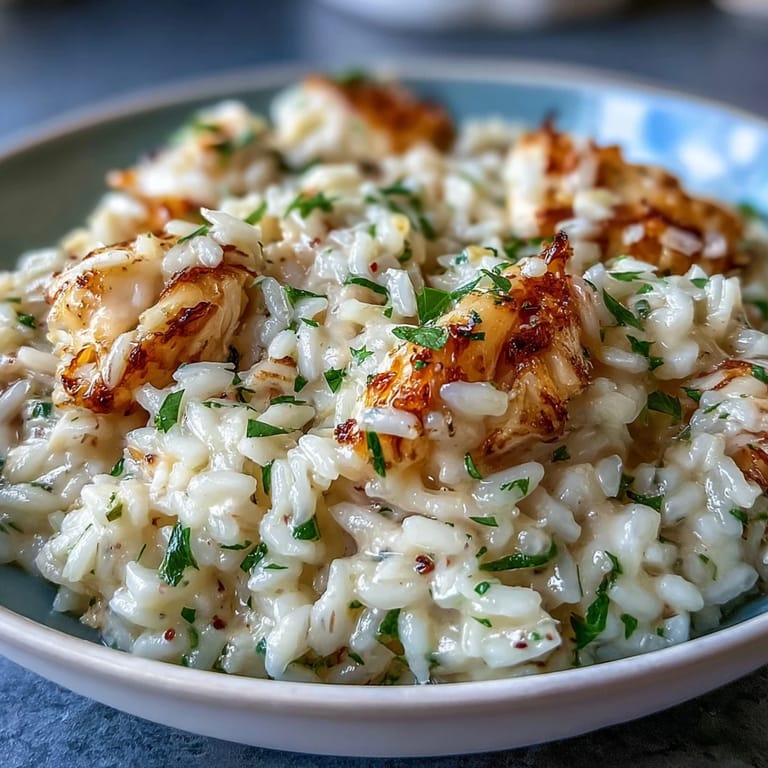
Save My partner used to order risotto at restaurants and say I could never make it as good at home, so when he tasted this smoked haddock version for the first time, the fact that he actually asked for the recipe to show his sister felt like winning an invisible prize. That's when I realized risotto isn't about being fancy or complicated; it's just about paying attention and knowing when to stir.
Why Undyed Smoked Haddock Matters
The dyed versions, which are bright golden yellow, get their color from an artificial dye that actually tastes harsher and more chemical-forward than you'd expect. Undyed haddock has a pale, almost cream-colored flesh and a more delicate smoke flavor that lets the rice and the cream shine through instead of dominating every spoonful. If your local fishmonger only has the dyed version, that's absolutely fine, just be aware you might need to back off on any additional seasoning to avoid it tasting too strong.
The Temperature Game
This is the one thing nobody tells you about risotto that actually matters: temperature consistency is everything. If your stock sits in a cold pot on the counter, you're basically sabotaging yourself before you start. I learned this the hard way when I made risotto for dinner guests and kept wondering why it felt grainy instead of creamy, and then realized I'd let the stock cool down while I was chatting with someone in the kitchen.
Make It Your Own
Once you understand how risotto works, you can experiment without fear. I've made this with spring onions instead of leeks when I forgot to buy them, and it was lighter and more delicate. I've added a splash of white wine after the garlic and onions, and it adds a subtle brightness that's quite nice. Some people like a final crack of cream stirred through at the very end, which makes it even more luxurious and restaurant-like.
- If you can't find fresh smoked haddock, frozen works perfectly fine as long as you thaw it gently in the fridge overnight.
- A crisp Sauvignon Blanc or dry Riesling is the perfect accompaniment, and the wine's acidity cuts through the creaminess in the best way.
- Leftovers can be transformed into risotto cakes the next day if you chill them, shape them, and pan-fry them until golden, which is honestly sometimes better than the original.
 Save
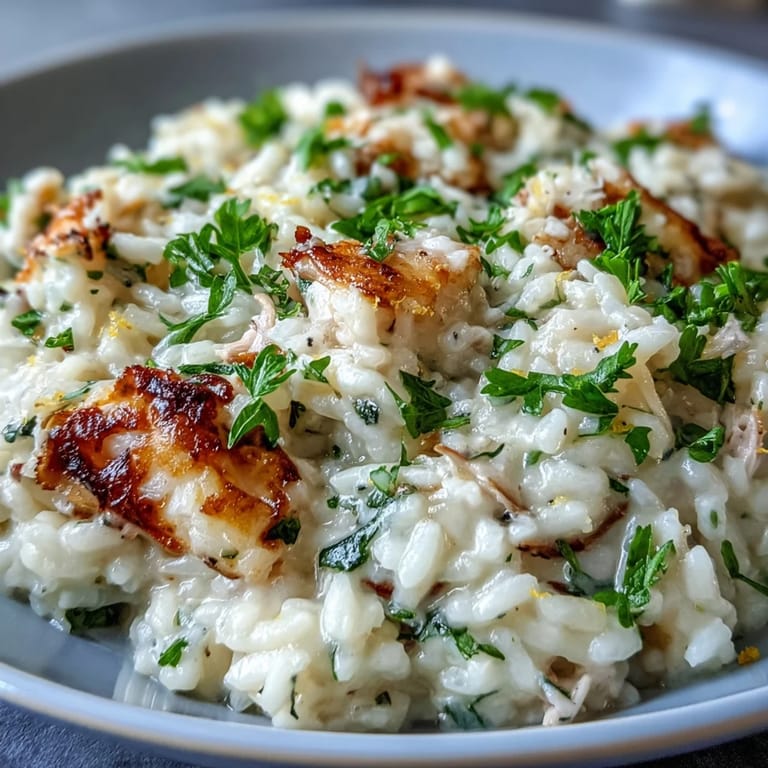
Save This risotto has become my go-to when I want to feel like I've spent hours cooking while barely breaking a sweat. It's the kind of dish that tastes far more impressive than the effort it actually requires, which is honestly the dream.
Common Questions
- → Can I use fresh haddock instead of smoked?
Yes, but you'll lose the distinctive smoky flavor that defines this dish. Consider adding a pinch of smoked paprika to compensate for the missing smokiness.
- → What type of rice works best for risotto?
Arborio or Carnaroli rice are ideal due to their high starch content, which creates the signature creamy texture. Avoid long-grain rice as it won't achieve the same consistency.
- → How do I know when the risotto is done?
The rice should be al dente—tender but with a slight bite in the center. The texture should be creamy and flow slowly when spooned onto a plate, not thick or stiff.
- → Can I make this ahead of time?
Risotto is best served immediately, but you can cook it 80% through, spread on a tray to cool, then finish with remaining stock when ready to serve. Add the fish at the final stage.
- → What can I substitute for Parmesan?
Pecorino Romano offers a sharper, saltier flavor, or try Grana Padano for a milder taste. For dairy-free options, nutritional yeast provides umami depth without cheese.
- → Why is my risotto too thick or too thin?
Adjust consistency by adding more hot stock for a looser texture or cooking slightly longer for thickness. The key is stirring frequently and adding liquid gradually.