 Save
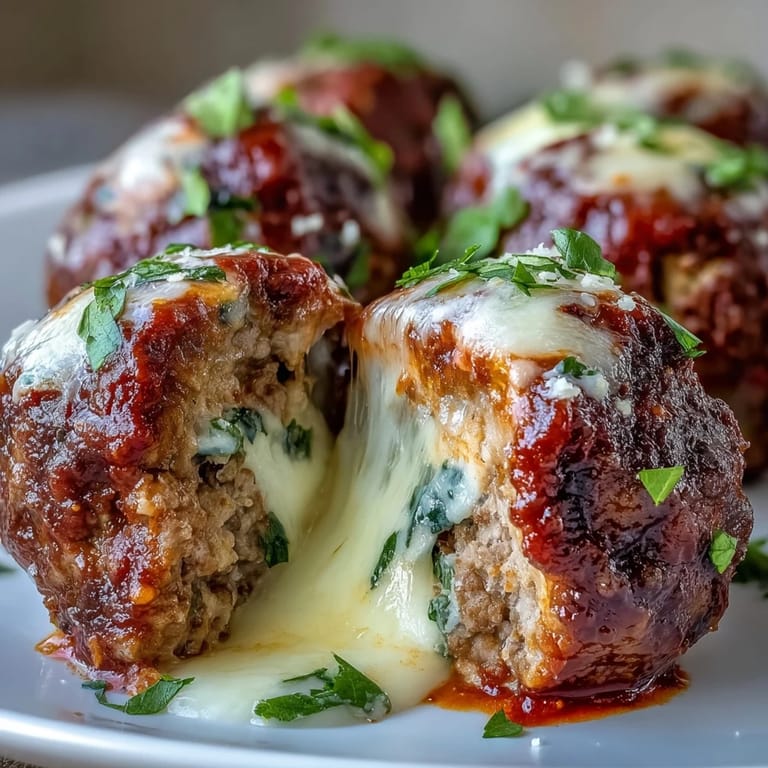
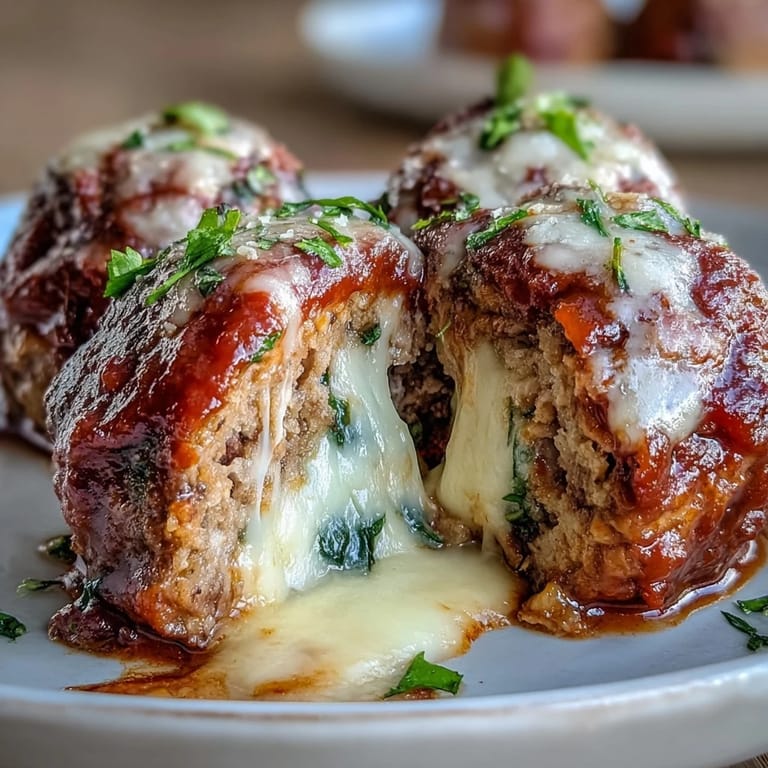
Save My neighbor Maria knocked on my door one evening with a container of these meatballs still steaming, and I understood immediately why she couldn't stop talking about them. The combination of beef and pork creates this incredible tender texture, and the cheese melts right into the sauce. I've made them countless times since, tweaking here and there, but that first bite from her kitchen changed what I thought homemade meatballs could be. These aren't fancy or complicated, but they taste like someone who knows what they're doing spent hours in the kitchen.
I made these for my brother's book club meeting, thinking they'd be a simple appetizer, and they became the reason people actually stayed to eat instead of just grabbing one and heading to the discussion table. Someone asked for the recipe, then two more people did, and my brother kept saying this is what I should've brought last time. That's when I realized these meatballs do something almost magical—they make people slow down and actually enjoy food together.
Ingredients
- Ground beef and pork (750 g combined): Using both creates a balanced flavor and texture that beef alone can't achieve; pork adds moisture while beef gives structure.
- Fresh breadcrumbs (100 g): These act as a binder and keep the meatballs tender—don't skip this or use panko, which creates a different texture.
- Parmesan and mozzarella cheese (200 g total): The Parmesan adds a sharp, nutty depth while mozzarella provides creaminess; they're both essential, not interchangeable.
- Eggs (2 large): They're the glue holding everything together, so use room-temperature eggs for better incorporation.
- Garlic (5 cloves minced total): Three cloves in the meat and two in the sauce creates layered garlic flavor without being overwhelming.
- Fresh parsley and dried oregano: The parsley brings brightness while oregano provides earthy warmth that ties the whole dish together.
- Whole milk (60 ml): This keeps the mixture moist and prevents the meatballs from becoming tough during cooking.
- Crushed tomatoes (800 g canned): San Marzano varieties are worth seeking out, but any good-quality crushed tomato will work beautifully.
Tired of Takeout? 🥡
Get 10 meals you can make faster than delivery arrives. Seriously.
One email. No spam. Unsubscribe anytime.
Instructions
- Mix your base gently:
- Combine the ground meats, breadcrumbs, both cheeses, eggs, garlic, onion, parsley, oregano, salt, pepper, and milk in a large bowl. The key here is restraint—mix just until everything comes together, about thirty seconds of stirring, because overworking the mixture makes the meatballs dense and compacted.
- Shape with your hands:
- Roll the mixture into golf ball-sized portions, aiming for roughly 24 meatballs. They don't need to be perfect; rustic shapes actually look more appetizing.
- Brown them with care:
- Heat 2 tablespoons of olive oil in a large skillet over medium heat and work in batches so you're not crowding the pan. Brown each meatball for 2 to 3 minutes on each side until they develop a golden crust, then transfer to a plate.
- Build your sauce:
- In the same skillet, add another 2 tablespoons of olive oil and sauté the minced garlic for about a minute until it becomes fragrant. Pour in the crushed tomatoes, basil, oregano, red pepper flakes if using, sugar, salt, and pepper, stirring well.
- Bring to a gentle simmer:
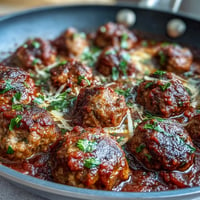
- Let the sauce bubble softly, then nestle those browned meatballs back in, making sure they're mostly submerged. Cover and let everything simmer together on low heat for 20 to 25 minutes until the meatballs are cooked through and the sauce has thickened slightly.
- Finish with fresh basil:
- Taste and adjust seasonings, then sprinkle fresh basil over the top just before serving. The brightness of fresh herbs makes all the difference compared to dried.
 Save
Save I watched my daughter eat three of these at dinner last week, which says everything. She's normally a picky eater, but something about the combination of melted cheese and tender meat in that rich sauce made her ask for seconds, then thirds, and suddenly this wasn't just another dinner—it was the meal she remembers.
Making Them Gluten-Free
The swap here is genuinely simple—use certified gluten-free breadcrumbs and you've got a completely gluten-free dish. I used almond flour mixed with crushed rice crackers once out of desperation, and honestly, it created a slightly different but equally delicious texture. Just make sure every ingredient gets checked, especially the crushed tomatoes and spice blends, because gluten hides in unexpected places.
Serving Suggestions That Actually Work
These meatballs transform depending on what you serve them with, and I've learned that the right pairing elevates the whole meal. Over pasta, they're classic comfort; over creamy polenta, they're somehow more sophisticated; with crusty bread, they become more casual and fun to eat. A medium-bodied red wine like Chianti alongside makes everything taste a little better, though that might just be the wine talking.
Storage and Reheating Secrets
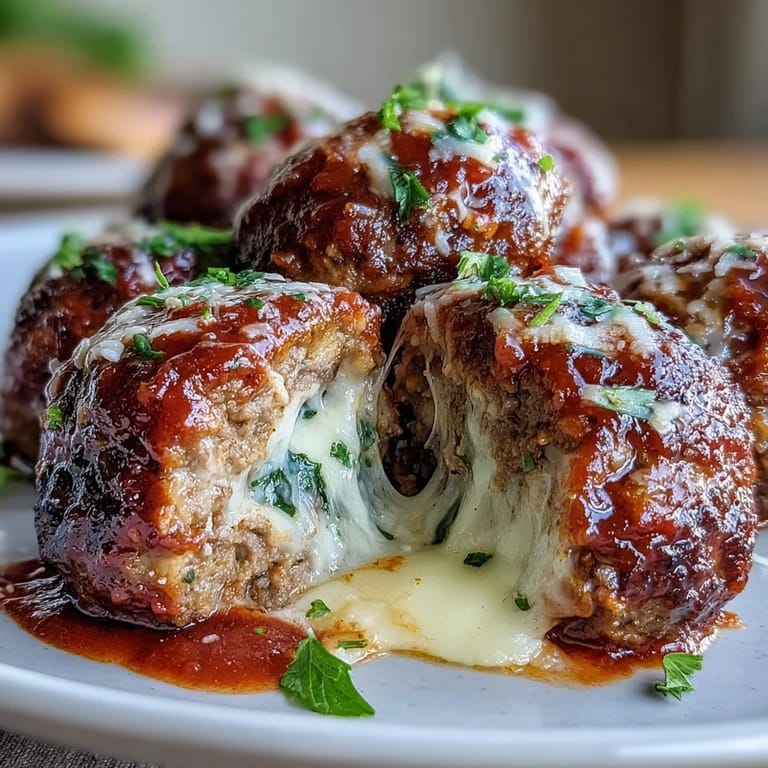
These actually taste better the next day once the flavors have melded together, and they freeze beautifully for up to three months. Reheat them gently on the stovetop over low heat rather than the microwave, which can make them rubbery, and add a splash of water if the sauce has thickened too much. The meatballs themselves stay tender even after freezing and reheating, which makes them perfect for meal prep on weekends.
- Store in an airtight container in the refrigerator for up to four days, meatballs nestled in their sauce.
- Freeze in a flat layer on a baking sheet first, then transfer to freezer bags to save space and make thawing easier.
- Thaw overnight in the refrigerator before reheating rather than defrosting at room temperature.
 Save
Save These meatballs have become my answer to almost every question about what to cook for people I care about. They're not difficult, they're not pretentious, but they absolutely taste like you know what you're doing.
Common Questions
- → Can I make these meatballs ahead of time?
Yes, you can shape the meatballs and refrigerate them for up to 24 hours before cooking. You can also fully cook them and store in the refrigerator for 3-4 days, or freeze for up to 3 months.
- → What's the best way to prevent meatballs from falling apart?
Don't overwork the mixture when combining ingredients, and let the formed meatballs rest in the refrigerator for 15-20 minutes before cooking. This helps them hold their shape during frying and simmering.
- → Can I bake these instead of frying?
Absolutely. Arrange meatballs on a baking sheet and bake at 400°F (200°C) for 18-20 minutes, turning halfway through. Then add them to the simmering sauce to finish cooking.
- → What should I serve with these meatballs?
These pair beautifully with pasta, polenta, or crusty bread for soaking up the sauce. They also work well in sandwiches or as an appetizer with toothpicks.
- → How do I know when the meatballs are fully cooked?
Use a meat thermometer to check the internal temperature reaches 160°F (71°C). Alternatively, cut one open to ensure there's no pink remaining and the juices run clear.
- → Can I use all beef instead of the beef-pork combination?
Yes, though the pork adds moisture and fat that keeps the meatballs tender. If using all beef, consider adding a tablespoon of olive oil or using beef with a higher fat content.