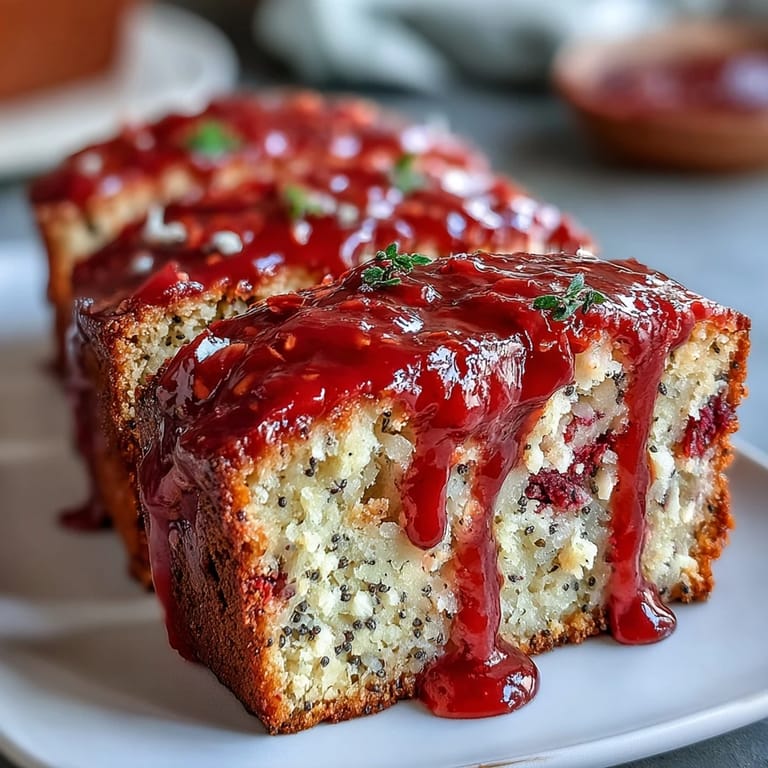
 Save
Save There's something about blood oranges that stops you mid-winter—that jewel-toned flesh, almost startling in its vibrancy, sitting in a bowl like a secret waiting to be shared. I discovered this loaf cake on a grey February afternoon when a farmer's market vendor pressed three of them into my hands, insisting I couldn't waste their flavor on juice alone. That evening, my kitchen filled with the most intoxicating citrus aroma, and I realized I'd stumbled onto something that felt both sophisticated and deeply comforting, the kind of cake that makes people pause mid-conversation to ask what they're tasting.
I baked this for my neighbor who'd just moved in, and she called me three days later asking if I could teach her how to make it—apparently she'd rationed one slice a day to make it last longer. The way her eyes lit up when she bit into that first slice, tasting the brightness of the blood orange cutting through the marzipan's warmth, made me understand that sometimes food becomes the easiest way to say hello to someone new.
Ingredients
- All-purpose flour (200 g): The foundation that keeps everything tender; measure by spooning into your measuring cup rather than scooping directly from the bag, which can pack too much flour in and make your cake dense.
- Baking powder (1½ tsp): Make sure yours isn't been sitting in your cabinet for two years—old baking powder won't give you that gentle lift.
- Salt (¼ tsp): A small pinch that amplifies every other flavor without making anything taste salty.
- Poppy seeds (2 tbsp): These add visual interest and a subtle crunch that makes people wonder what they're tasting.
- Unsalted butter (120 g), softened: Room temperature butter creams properly with sugar, trapping air that makes the cake rise; cold butter will leave you with lumps and frustration.
- Granulated sugar (200 g): The sweetness base, but it also aerates the batter when beaten with butter, so don't skip the creaming step.
- Blood orange zest (from 2 oranges): The oils in the zest are where the real citrus magic happens—don't just buy pre-zested, as it loses potency sitting in a jar.
- Large eggs (2): Room temperature eggs integrate smoothly into the batter without creating streaks or lumps; if yours are cold, sit them out for 20 minutes first.
- Marzipan (80 g), grated: This adds moisture and almond flavor that keeps the cake from being just another citrus cake; grate it on the large holes of a box grater so it distributes evenly.
- Blood orange juice (120 ml): Fresh juice is non-negotiable here—bottled loses too much of that bright character that makes this whole recipe sing.
- Whole milk (60 ml): The dairy rounds out the acidity of the orange juice and keeps the crumb tender.
- Vanilla extract (1 tsp): A supporting player that deepens and softens the citrus notes rather than competing with them.
- Powdered sugar (120 g): For the glaze; sift it first if you see any lumps, or you'll end up with a grainy finish.
- Blood orange juice for glaze (2–3 tbsp): Adjust the amount based on how thick or thin you want your glaze to be—thinner flows beautifully over the cooled cake, while thicker creates more of a frosting effect.
Tired of Takeout? 🥡
Get 10 meals you can make faster than delivery arrives. Seriously.
One email. No spam. Unsubscribe anytime.
Instructions
- Set the stage:
- Preheat your oven to 175°C (350°F) and prepare a 9x5-inch loaf pan by greasing it well and lining it with parchment paper—this keeps the edges from browning too much while the center finishes baking. I like to let the pan sit in the oven while it heats so the batter goes into a warm vessel.
- Mix your dry team:
- Whisk together the flour, baking powder, salt, and poppy seeds in a medium bowl, making sure there are no hidden pockets of baking powder that could create bitter spots in your finished cake. Set this aside and try not to look at those poppy seeds without smiling—they're your cake's personality.
- Cream butter and sugar:
- In a large bowl, beat the softened butter, sugar, and blood orange zest together for about 3 minutes until the mixture is pale, fluffy, and smells absolutely intoxicating. You'll know it's ready when it looks almost like frosting—this is where the air gets trapped that makes your cake rise properly.
- Welcome the eggs:
- Add your eggs one at a time, beating well after each addition so they fully incorporate rather than creating a curdled-looking mess. Each egg should disappear into the butter mixture before you add the next one.
- Fold in the marzipan:
- Gently fold your grated marzipan into the butter mixture until it's evenly distributed with no visible lumps of almond—this is gentle work, not vigorous stirring. The texture should look like wet sand with tiny almond fragments throughout.
- Combine wet ingredients:
- In a small bowl, stir together the blood orange juice, milk, and vanilla extract, which will create your wet mixture for the final assembly. This combination balances the acidity and adds moisture without making the batter too thin.
- The alternating fold:
- Here's where precision matters: add one-third of your dry mixture to the butter mixture, fold gently until just combined, then add half of your wet mixture and fold again. Repeat with another third of dry, then the rest of the wet, and finish with the remaining dry ingredients, folding after each addition—do not overmix, or your cake will be tough and dense.
- Into the pan:
- Pour your batter into the prepared loaf pan and smooth the top gently with a spatula so it bakes evenly. The batter should fill about three-quarters of the way up the sides.
- The bake:
- Bake for 45–55 minutes, watching for the moment when a toothpick inserted into the center comes out clean or with just a few moist crumbs (not wet batter). The top should be golden and smell like a bakery when it's ready.
- Cool with patience:
- Let the cake cool in its pan for 10 minutes—this gives it just enough time to set without becoming dried out—then turn it out onto a wire rack to cool completely. Do not skip this resting time; turning it out too early will cause it to crumble.
- The glaze moment:
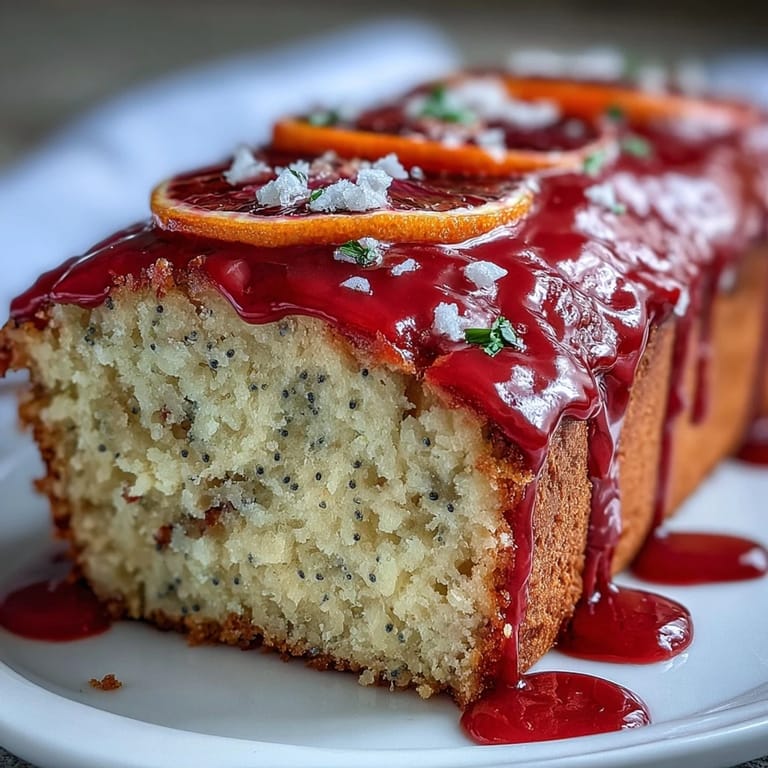
- Whisk your powdered sugar with blood orange juice until smooth and pourable, then drizzle it generously over your completely cooled cake. Let it set for 15 minutes before slicing so it doesn't all run off onto your plate.
 Save
Save One winter morning, my mother called asking what I'd brought to a book club the night before, and when I told her about this cake, she was quiet for a moment before saying it sounded like something my grandmother would have made if she'd had access to blood oranges in her era. That conversation turned this recipe from just a good cake into something with meaning, a tiny bridge across generations and time periods.
Why Blood Oranges Matter Here
Regular oranges would work in a pinch, but blood oranges bring something special—a tartness that's more complex than standard citrus, almost wine-like in its depth, with natural color that makes the crumb appear jewel-toned rather than pale yellow. The first time I made this with regular oranges because blood oranges weren't available, the cake was pleasant but forgettable, and I realized that in this particular recipe, the starring ingredient really does get to be the star. If you can't find blood oranges, try Cara Cara navels as a substitute—they have similar tartness and that gorgeous hue.
Marzipan Versus Almond Paste
Marzipan is sweeter and smoother because it has more sugar blended with ground almonds, which is why it works beautifully here without adding extra sweetness beyond the recipe. Almond paste is grainier and more intensely almondy because it's mostly just ground almonds with minimal sugar, so if you substitute it, reduce the sugar in the cake slightly or your result will be cloying. I've made this both ways—marzipan keeps the cake feeling refined and gentle, while almond paste pushes it toward something more rustic and deeply almond-forward, so choose based on your mood.
Storage, Serving, and Small Celebrations
This cake actually improves on day two as the flavors meld and the crumb becomes even more tender, so make it a day ahead if you're serving guests and want one less thing to worry about on the day itself. Wrap it tightly in plastic wrap and leave it at room temperature—the fridge will actually dry it out faster than you'd expect. This cake deserves to be sliced slightly thick, maybe half an inch, so you get substantial bites of that tender crumb without it falling apart, and it pairs perfectly with Earl Grey tea, Prosecco, or even a small glass of Cointreau if you're feeling fancy.
- The glaze sets best if you let it rest for at least 15 minutes before slicing, giving it time to firm up just slightly.
- If you want to add a tablespoon of orange liqueur to the glaze (Grand Marnier or Cointreau work beautifully), do it—it elevates the whole experience without making anything taste boozy.
- Leftover slices stay fresh for three days in an airtight container, though honestly, there rarely are leftover slices around my house.
 Save
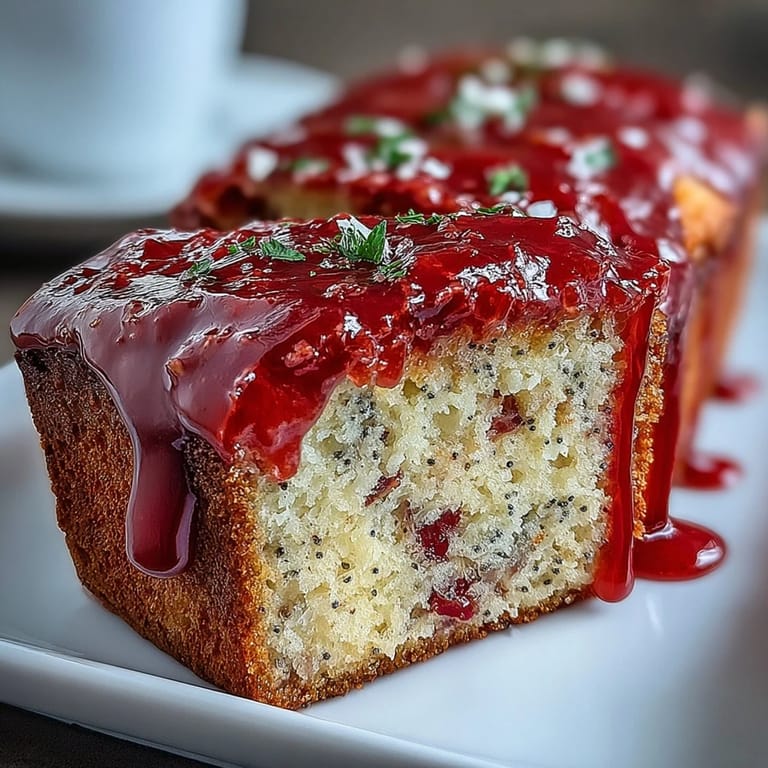
Save Bake this cake when you want to mark a moment—whether it's a quiet morning to yourself or a small gathering where you want to serve something that tastes like you put in the effort but doesn't feel heavy or overwhelming. There's real magic in the way a slice of this cake, still slightly warm with that blood orange glaze catching the light, can make an ordinary Tuesday feel a little bit special.
Common Questions
- → Can I use regular oranges instead of blood oranges?
Yes, you can substitute regular oranges, but you'll lose the distinctive ruby color and slightly sweeter, less acidic flavor that blood oranges provide. The cake will still be delicious with a more traditional orange taste.
- → What can I use if I don't have marzipan?
Almond paste works as an excellent substitute and will give a deeper almond flavor. You can also omit it entirely and add an extra tablespoon of butter, though you'll miss the unique texture and sweetness marzipan provides.
- → How do I know when the loaf is fully baked?
Insert a toothpick or skewer into the center of the cake. It should come out clean or with just a few moist crumbs. The top should be golden and spring back lightly when touched. Baking time is typically 45-55 minutes at 175°C.
- → How should I store this cake?
Store the glazed cake in an airtight container at room temperature for 2-3 days. For longer storage, wrap it tightly and refrigerate for up to 5 days. Bring to room temperature before serving for the best flavor and texture.
- → Can I freeze this loaf cake?
Yes, this cake freezes beautifully. Wrap the cooled, unglazed loaf tightly in plastic wrap and aluminum foil, then freeze for up to 3 months. Thaw overnight in the refrigerator, then add the glaze before serving.
- → Why are my poppy seeds sinking to the bottom?
This can happen if the batter is too thin. Make sure not to overmix, and consider tossing the poppy seeds with a small amount of flour before adding them to help suspend them throughout the batter.