 Save
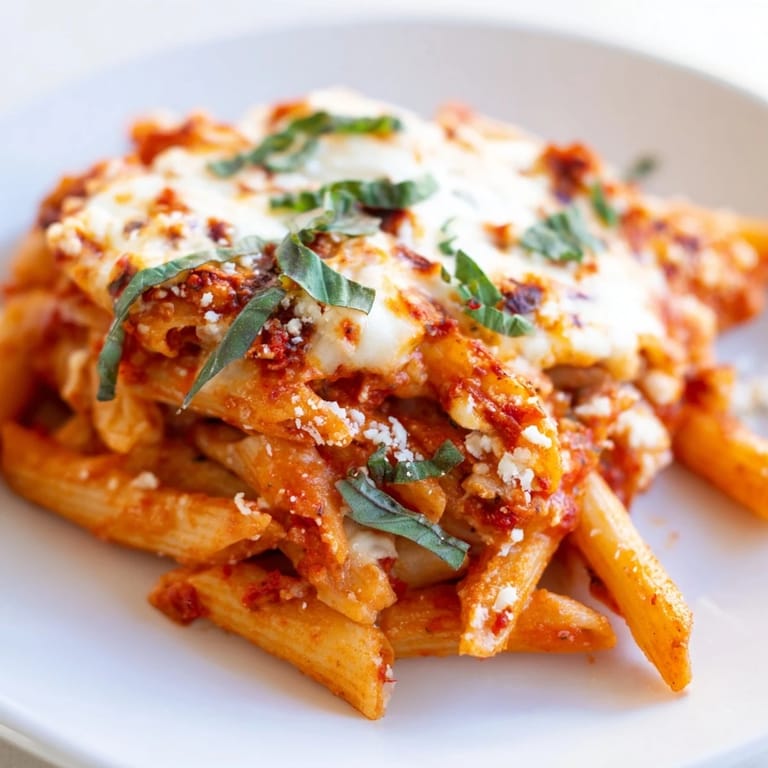
Save There's something about the sizzle of garlic hitting hot oil that makes me feel like I'm cooking in a Roman kitchen, even if I'm just standing in my apartment on a Tuesday night. The first time I made arrabbiata properly—with real heat, real tomatoes, and patience—I understood why Italians don't mess with this sauce. Years later, when I wanted to turn that fiery simplicity into something I could serve to a table full of hungry friends, I realized baking it with pasta and cheese wouldn't betray the dish; it would just make it more generous. This baked version holds all that spicy, tomatoey intensity but adds a comfort that makes people reach for seconds.
I made this for my neighbors last spring when they brought over bread from their garden. One of them was skeptical about baked pasta until that golden cheese broke open and released a cloud of basil and heat. Watching someone realize that comfort food and bold flavors aren't enemies—they're actually best friends—that's the moment this dish became my secret weapon for impressing people.
Ingredients
- Penne pasta (350 g): The tube shape catches the sauce and holds it beautifully, especially when everything bakes together. Don't skip cooking it a minute or two short of the package time—it'll finish in the oven.
- Olive oil (2 tbsp): Good olive oil matters here because it's one of only a few players in this sauce. Use something you'd actually drink.
- Garlic (4 cloves, finely chopped): The foundation of everything. Fresh is essential; the moment it hits the hot oil, your kitchen smells like a promise.
- Crushed red pepper flakes (1–2 tsp): Start low if you're unsure. You can always add more heat, but you can't take it back once it's in the sauce.
- Canned crushed tomatoes (800 g): These are your backbone. Find a brand you trust—the tomatoes do most of the talking in arrabbiata.
- Sugar (1 tsp): A quiet player that balances the acid in tomatoes without making anything taste sweet. It's there to be invisible.
- Dried oregano (1 tsp): Dried works perfectly here and adds an earthy warmth that fresh basil will brighten up later.
- Salt and black pepper: Taste as you go. Your sauce should taste bold enough on its own before the cheese arrives.
- Fresh basil (1 small bunch): Save some for the top after baking. This is where freshness cuts through all that richness.
- Parmesan cheese (80 g): Salty, nutty, and absolutely essential. Grate it fresh if you can; it makes a real difference in texture.
- Mozzarella cheese (150 g): The stretchy, melty layer that holds everything together and turns golden under heat. Shred it yourself from a block if possible.
Tired of Takeout? 🥡
Get 10 meals you can make faster than delivery arrives. Seriously.
One email. No spam. Unsubscribe anytime.
Instructions
- Get your oven ready and prepare the dish:
- Heat your oven to 200°C (400°F) and grease a large baking dish with a little olive oil or butter. You want enough space for the pasta to layer without crowding—usually a 2-liter baking dish works perfectly.
- Start the pasta:
- Get a large pot of salted water boiling—it should taste like the sea. Drop in the penne and cook it about 2 minutes less than the package says. You're going for just-barely-done because it'll finish cooking in the oven and you don't want mush.
- Build the sauce while the pasta cooks:
- While the water is coming to a boil, heat olive oil in a skillet over medium heat. Once it's warm and shimmering, add your finely chopped garlic and red pepper flakes. Let them dance together for 1–2 minutes—you want fragrant, not browned. The smell tells you everything.
- Deepen the heat:
- Pour in the crushed tomatoes, sugar, oregano, salt, and pepper. Stir everything together and let it bubble gently for 10–12 minutes, stirring now and then. The sauce will thicken slightly and the flavors will blend into something deeper than when you started.
- Finish the sauce fresh:
- Take the pan off the heat and stir in your chopped basil. This is where freshness cracks through all that cooked richness.
- Combine pasta and sauce:
- Drain your pasta and add it to the sauce, tossing everything until every piece is coated. This is the moment it starts feeling real.
- Layer it up:
- Pour half the saucy pasta into your baking dish and spread it evenly. Sprinkle half your Parmesan and half your mozzarella over the top. Then add the remaining pasta and top with the rest of the cheeses. The layers don't have to be perfect—they'll meld together anyway.
- Bake until golden:
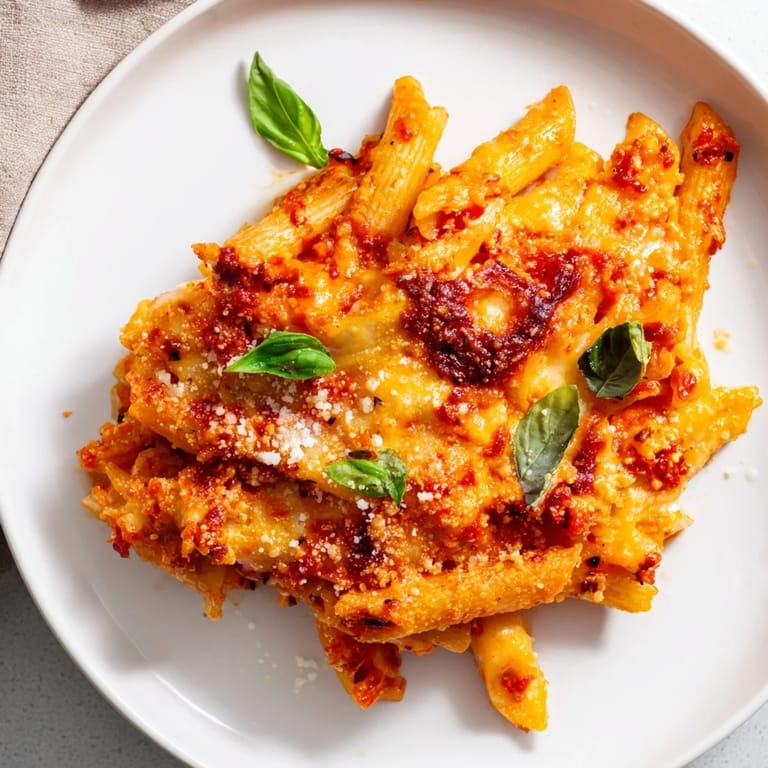
- Slide it into the oven for 18–20 minutes. You're looking for the cheese to be melted, golden at the edges, and the sauce to be bubbling around the sides. It'll smell incredible before it even looks done.
- Rest and serve:
- Let it sit for 5 minutes straight out of the oven—this gives everything a chance to set slightly so it doesn't fall apart when you serve. Scatter fresh basil on top and bring it to the table while it's still hot enough to release steam.
 Save
Save I think what makes this dish special is that it tastes spicy and bold, but feels comforting at the same time. It's the kind of food that brings people together around a table and makes them slow down, which in a busy world, feels almost rebellious.
The Heat Question
Red pepper flakes are your volume control here. If you like fire, start with 2 teaspoons and don't hold back. If heat makes you nervous, begin with 1 teaspoon and taste the sauce before committing—you can always add more, but backing down is impossible. I've learned the hard way that some people's idea of spicy is another person's idea of lunch, so tasting together before you bake is the kind gesture that keeps friendships intact.
Cheese Choices
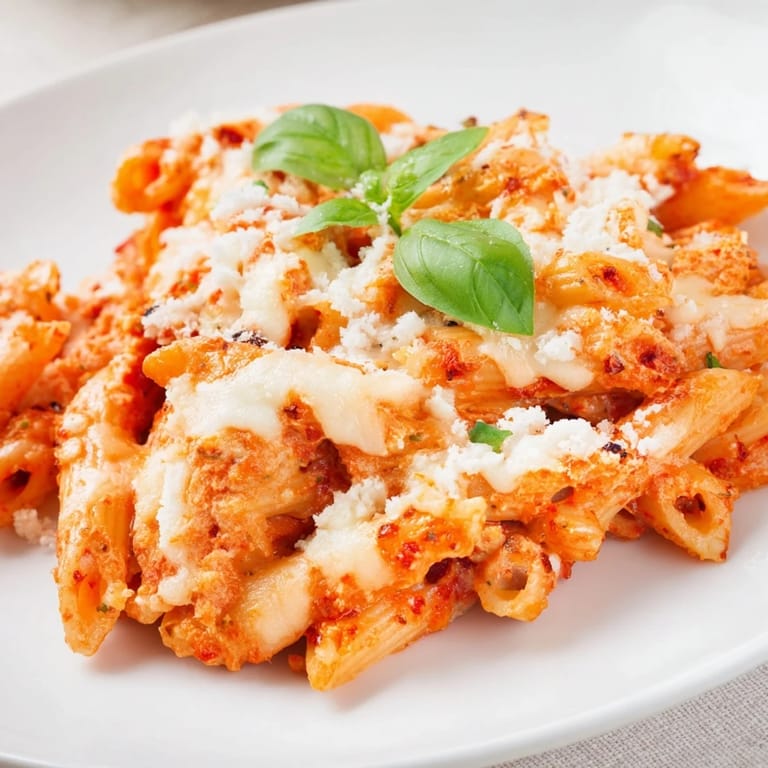
Parmesan and mozzarella are traditional because they do different jobs: Parmesan adds sharpness and texture, while mozzarella brings that stretchiness and mild creaminess that makes every bite feel luxurious. If you want to experiment, provolone or fontina work beautifully, but don't skip the Parmesan—it's the anchor. The ratio matters too; too little cheese and the bake feels dry, too much and it overwhelms the spicy sauce.
Variations and Leftovers
This dish is forgiving enough to play with but structured enough that it always works. Some nights I'll sauté mushrooms or bell peppers and fold them in with the sauce, or add a handful of torn fresh mozzarella instead of shredded for pockets of creaminess. Leftovers reheat beautifully—either in the oven wrapped in foil to warm through gently, or right in the microwave if you're in a hurry.
- Fresh basil scattered on top right before serving makes it taste brighter and more alive.
- Serve alongside a simple green salad dressed with lemon to cut through the richness.
- A glass of crisp white wine or light red like Chianti turns dinner into an occasion.
 Save
Save This baked penne arrabbiata proves that the best food doesn't have to be complicated—it just needs to be made with attention and served with generosity. Make it tonight.
Common Questions
- → How spicy is the sauce in this dish?
The sauce has a medium heat level from crushed red pepper flakes that can be adjusted to taste for milder or spicier results.
- → Can I substitute the cheeses used here?
Yes, mozzarella can be replaced with provolone or fontina for a different flavor profile while Parmesan adds sharpness.
- → What’s the best way to cook the pasta for this bake?
Cook the penne just al dente, slightly undercooked by about 2 minutes, so it finishes cooking in the oven without getting mushy.
- → Can I add vegetables to this dish?
Sautéed vegetables like bell peppers or mushrooms can be added for extra flavor and texture to complement the spicy tomato base.
- → What are good side pairings for this pasta bake?
A crisp green salad and a glass of Chianti or similar red wine work well to balance the spicy and cheesy richness.
- → Should I let the dish rest after baking?
Allowing it to rest for about 5 minutes lets the cheese set slightly and makes serving easier while enhancing flavors.