 Save
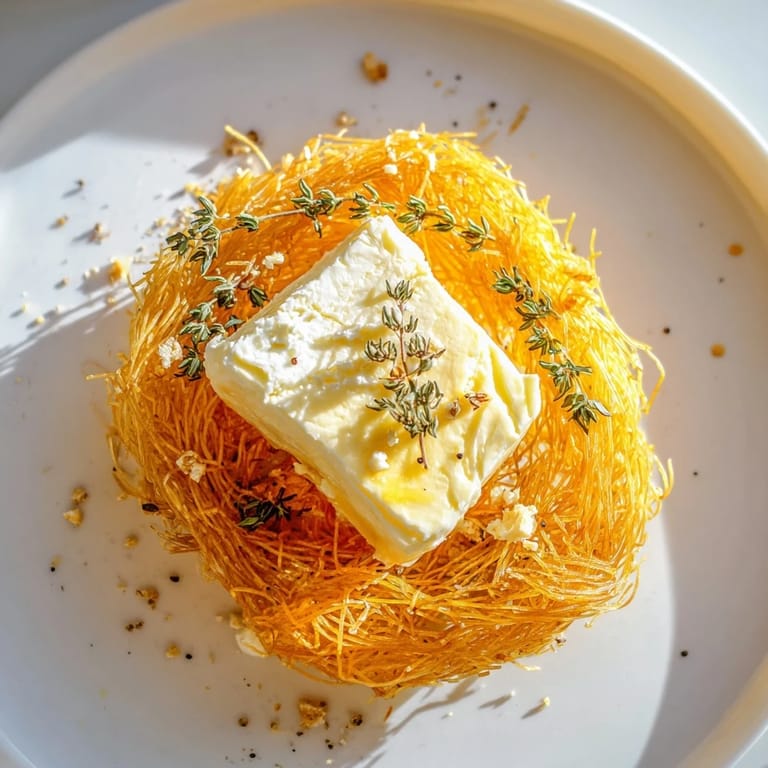
Save There's something about standing in a farmhouse kitchen with afternoon light streaming through the windows that makes you want to create something rustic and charming. I discovered these phyllo nests quite by accident, actually—I had a box of kataifi dough that needed using and a beautiful selection of farmhouse cheeses from a local market, and I started playing around with how to present them in the most inviting way possible. What emerged was this delightfully simple appetizer that somehow feels both elegant and wonderfully casual, like something you'd find on a countryside table set for friends dropping by unexpectedly.
I remember bringing these to a small dinner party last autumn, and someone asked if I'd spent all day cooking—the look of genuine surprise when I said "20 minutes of actual work" was worth every ounce of effort. My neighbor, who's usually skeptical about anything fussy, went back for seconds and kept saying how the crispy hay and creamy cheese felt like eating something between comfort food and luxury, which somehow felt like the highest compliment.
Ingredients
- Shredded phyllo dough (kataifi), 200g: This is the magic ingredient—when you find it, treat it gently since the strands are delicate and want to clump together; keeping it loose and fluffy before baking ensures those gorgeous crispy nests.
- Unsalted butter, melted, 50g: The butter crisps the phyllo and carries flavor, so use real butter and don't skip the melting step; cold butter won't coat evenly enough.
- Olive oil, 1 tsp: Just enough oil helps the phyllo brown beautifully without becoming heavy or greasy.
- Sea salt, pinch: A small amount of salt enhances the nutty flavor that phyllo develops when it bakes.
- Farmhouse cheddar, 200g, cut into rustic hunks: Look for a real aged cheddar with character—the sharp, slightly crystalline texture is exactly what these nests need to shine.
- Aged Gouda, 150g, cut into rustic hunks: Gouda brings a gentle sweetness and smooth creaminess that balances the crispy phyllo beautifully.
- Tomme de Savoie or similar semi-soft farmhouse cheese, 150g, cut into rustic hunks: This cheese offers complexity and a slightly earthy note; if you can't find Tomme, a good Taleggio or other soft-rind farmhouse cheese works wonderfully.
- Fresh thyme sprigs, optional: Thyme's herbal freshness cuts through the richness of the cheeses and adds a kitchen-garden element that feels effortless.
- Honey for drizzling, optional: A thin drizzle adds warmth and complements aged cheeses without overwhelming them.
- Cracked black pepper: Finish generously with pepper to brighten every bite.
Tired of Takeout? 🥡
Get 10 meals you can make faster than delivery arrives. Seriously.
One email. No spam. Unsubscribe anytime.
Instructions
- Heat your oven and prepare the workspace:
- Set your oven to 180°C (350°F) and line a baking sheet with parchment paper—this matters because the phyllo bottoms brown quickly and you want them to release easily. Having everything ready before you touch the phyllo dough makes the whole process feel calm and controlled.
- Loosen and season the phyllo:
- Turn the shredded phyllo into a bowl and gently separate any clumps with your fingertips—imagine you're fluffing the finest, crispest straw. Drizzle with melted butter, olive oil, and a pinch of salt, then toss gently but thoroughly so every strand gets a light coating; the key is gentle here, because aggressive mixing breaks the strands.
- Form the nests:
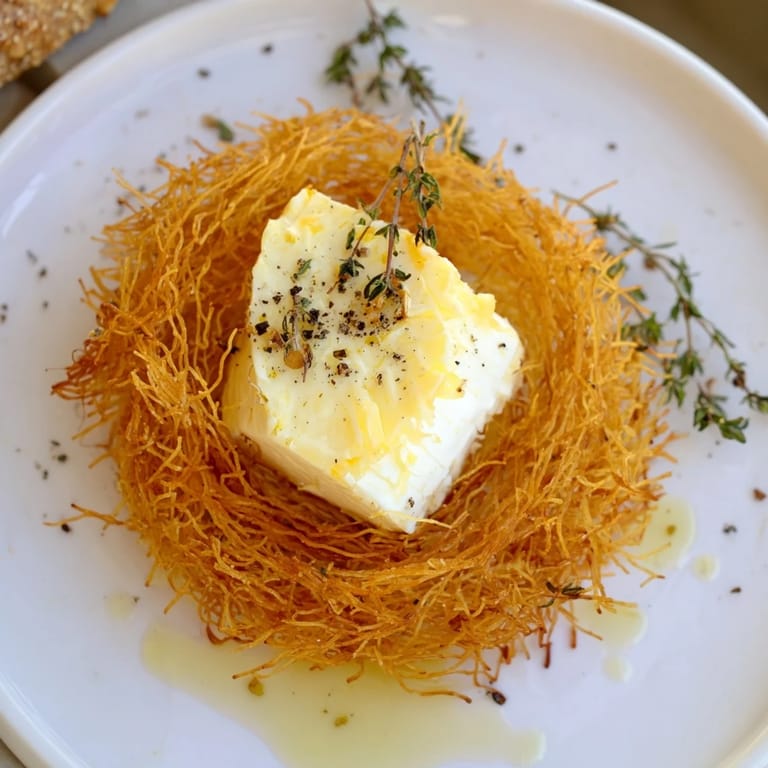
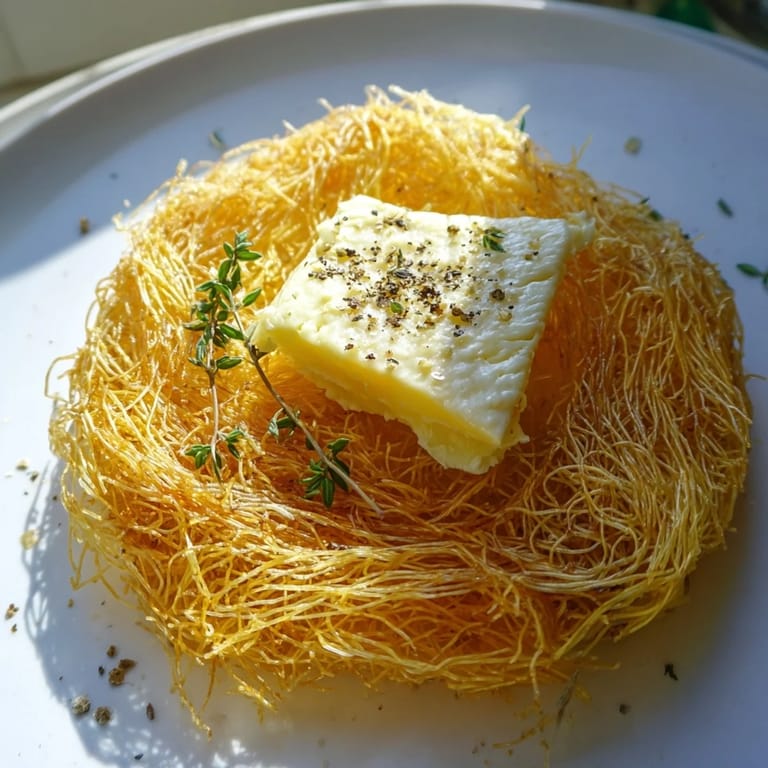
- Take small handful-sized portions and shape them into loose, organic-looking piles about 5–6 cm wide on your prepared baking sheet, pressing just lightly so they hold together while still looking wonderfully rustic. Think loose bird's nests, not tight little compacted balls.
- Bake until golden and crackling:
- Slide the baking sheet into the oven and watch carefully—after about 10 minutes you'll start smelling that toasty, nutty aroma that means the phyllo is turning golden. Bake for 10–12 minutes total until the nests are deep golden and crisp, then remove and let them cool to room temperature so they set properly.
- Compose your platter:
- Arrange the cooled phyllo nests on a wooden board or slate platter, then crown each one with a generous hunk of cheese—the contrast of colors looks stunning and the rustic presentation feels authentic. Scatter thyme sprigs around and between, drizzle honey if you like (a light hand here), and finish everything with cracked black pepper.
 Save
Save There's a moment when you pull these nests from the oven and the smell hits you—this perfect combination of caramelized phyllo and the buttery warmth—and you realize you've made something that tastes far more complicated than it actually is. That's the real magic of this appetizer: it feels like a gift you've given your guests, but really it's just been good ingredients and good timing working together.
Cheese Selection Matters More Than You'd Think
I used to think any farmhouse cheese would work the same way, but I've learned that the variety actually creates a conversation on the plate—each cheese brings its own personality to the crispy phyllo. A sharp, aged cheddar, a smooth and slightly caramel-touched Gouda, and something soft and earthy like Tomme means each bite is a little different, which keeps things interesting. If you find yourself drawn to other cheeses, trust that instinct: Manchego brings a slightly nutty, almost sweet quality, Comté offers complexity and a wonderful pale golden color, and a good smoked farmhouse cheese adds intrigue and depth. The one rule I follow is choosing cheeses that are actually made on farms or by artisans who care about the craft—you can taste the difference immediately.
The Art of the Rustic Presentation
Cutting cheese into hunks instead of neat cubes is liberating, actually—it gives the whole thing a gathered-from-the-board feeling rather than something fussy and planned. I learned this by accident when my knife slipped and I ended up with uneven pieces, and instead of redoing them, I just plated them as-is and realized they looked far more inviting and natural. The slight irregularity is what makes it feel like you've just brought something beautiful from the market and arranged it with care, not precision.
Optional Additions That Change Everything
The thyme, honey, and cracked pepper aren't just garnishes—they're the finishing notes that transform a simple cheese plate into something that feels thoughtfully composed. Fresh thyme sprigs add a garden-fresh herbaceous element, honey brings a touch of floral sweetness that complements aged cheeses in unexpected ways, and pepper adds brightness and a gentle heat that makes your palate stay interested through multiple bites.
- For a savory twist before baking, sprinkle the phyllo lightly with herbes de Provence or even just dried oregano to deepen the rustic farmhouse feeling.
- Serve alongside apple slices or grapes to add freshness and acidity that balances the richness of the cheese beautifully.
- If you want to get creative, a drizzle of aged balsamic or a tiny smear of fig jam on the platter nearby adds extra dimensions without overwhelming the main event.
 Save
Save This is one of those recipes that feels like it's been around forever, even though most people seem surprised when they taste it for the first time. It's become my go-to when I want something that feels special without requiring me to spend hours in the kitchen.
Common Questions
- → What type of phyllo dough is used to make the nests?
Shredded phyllo dough, also known as kataifi, is used for its delicate strands that crisp beautifully when baked.
- → Can I substitute the farmhouse cheeses with others?
Yes, alternatives like Manchego, Comté, or smoked farmhouse cheeses can add varied flavors while maintaining the rustic appeal.
- → How do I prevent the phyllo nests from sticking to the baking sheet?
Use parchment paper on the baking sheet and gently press the nests to hold shape, then bake until golden and crisp for easy removal.
- → Is it possible to prepare the nests ahead of time?
Absolutely, the phyllo nests can be baked ahead and cooled, then topped with cheese just before serving for freshness.
- → What garnishes enhance the flavor of the nests?
Fresh thyme sprigs add a subtle herbal note, while a light honey drizzle and cracked black pepper offer a balanced sweet and spicy finish.