 Save
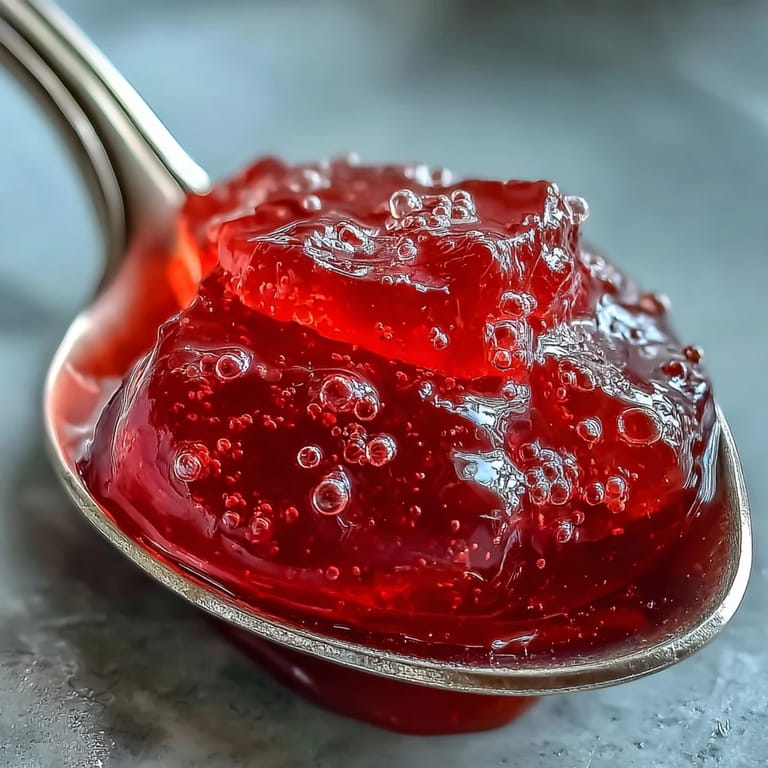
Save Capture the essence of tropical sunshine with this Homemade Guava Jelly. This vibrant, jewel-toned preserve is a beautiful way to transform ripe guavas into a clear, sweet spread that brings a floral aroma and a burst of flavor to your breakfast table or dessert creations.
Save The secret to a perfect jelly lies in the patient extraction of the juice. By allowing the cooked guavas to drip naturally through cheesecloth without any squeezing, you ensure that the resulting preserve remains translucent and free of cloudiness, sparkling like a jewel once set in the jar.
Ingredients
Tired of Takeout? 🥡
Get 10 meals you can make faster than delivery arrives. Seriously.
One email. No spam. Unsubscribe anytime.
- Fruit: 1.5 kg (about 3.3 lbs) ripe guavas and 4 cups water.
- Sweetener & Gelling: 4 cups granulated sugar and 2 tbsp lemon juice.
Instructions
- Step 1
- Wash the guavas thoroughly. Cut them into quarters, leaving skins and seeds intact.
- Step 2
- Place guava pieces in a large saucepan. Add water and bring to a boil over medium heat.
- Step 3
- Reduce heat and simmer for 30 minutes, or until the fruit is very soft.
- Step 4
- Line a large strainer with a double layer of cheesecloth and set over a bowl. Pour the cooked fruit and liquid into the strainer. Let it drip undisturbed for at least 2 hours (or overnight) to extract clear juice. Do not press or squeeze, to keep the jelly clear.
- Step 5
- Measure the extracted juice. For each cup of juice, use 1 cup of sugar. Pour juice into a clean saucepan, add lemon juice, and stir in the sugar.
- Step 6
- Bring the mixture to a boil over high heat, stirring to dissolve the sugar.
- Step 7
- Boil rapidly until the mixture reaches gel stage (220°F/104°C on a candy thermometer), about 15–20 minutes. Skim off any foam.
- Step 8
- Test for doneness by placing a small spoonful of jelly on a cold plate. If it wrinkles when pushed, its ready.
- Step 9
- Pour hot jelly into sterilized jars, leaving 1/4-inch headspace. Seal immediately.
- Step 10
- Let cool completely before storing in a cool, dark place.
Zusatztipps für die Zubereitung
To guarantee a successful set, use a candy thermometer to monitor the temperature closely. The mixture must reach exactly 220°F (104°C) to activate the gelling process. If you notice any foam forming on the surface during the rapid boil, skim it off immediately for a crystal-clear finish.
Varianten und Anpassungen
For a naturally firmer set, try using a mixture of fully ripe and slightly underripe guavas, as the underripe fruit contains more natural pectin. You can also experiment with citrus by substituting the lemon juice with lime for a brighter, tarter tropical profile.
Serviervorschläge
This jelly is spectacular when spread over warm, buttered toast or freshly baked scones. It is also the ideal consistency for filling thumbprint cookies or glazing sponge cakes. For a savory twist, try serving it alongside a sharp cheese plate.
 Save
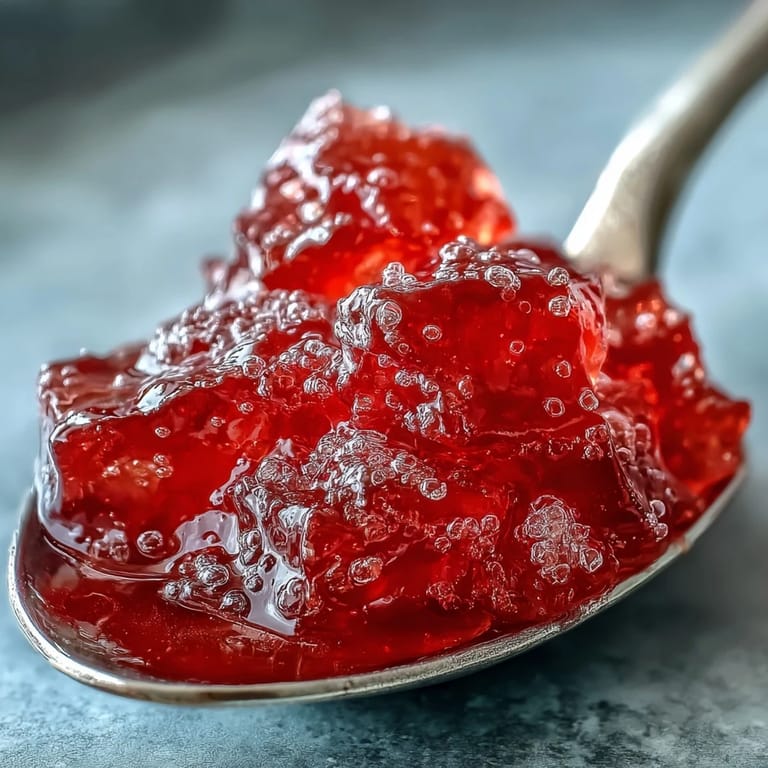
Save Once cooled and set, your homemade guava jelly will be a treasured addition to your pantry. Whether you enjoy it yourself or share it as a gift, its vibrant color and pure fruit taste are sure to impress.
Common Questions
- → How do I know when the jelly reaches gel stage?
Use a candy thermometer to check when the mixture reaches 220°F (104°C). Alternatively, place a small spoonful on a cold plate—if it wrinkles when you push it with your finger, it's ready. This test ensures proper consistency.
- → Why shouldn't I press the fruit while straining?
Pressing or squeezing the fruit pulp releases cloudiness and particulates into the juice, resulting in cloudy jelly rather than the desired crystal-clear, jewel-toned appearance. Let gravity do the work for perfectly clear preserves.
- → Can I use underripe guavas?
Absolutely! Slightly underripe guavas actually contain more natural pectin, which helps the jelly set properly. Combining underripe and fully ripe fruit gives you the best balance of pectin content and sweet flavor.
- → How long will sealed jars keep?
Properly sealed and sterilized jars stored in a cool, dark place will remain fresh for up to one year. Once opened, refrigerate and use within three weeks for optimal quality and safety.
- → What's the purpose of lemon juice?
Lemon juice serves dual purposes: it provides acidity necessary for proper gel formation and balances the sweetness with a bright tang. This small addition makes the tropical guava flavor pop while ensuring the jelly sets correctly.
- → What can I use this jelly for besides toast?
This versatile preserve shines as a filling for thumbprint cookies, a glaze for sponge cakes, or a topping for ice cream. It also pairs beautifully with soft cheeses on a charcuterie board or swirled into yogurt for breakfast.