 Save
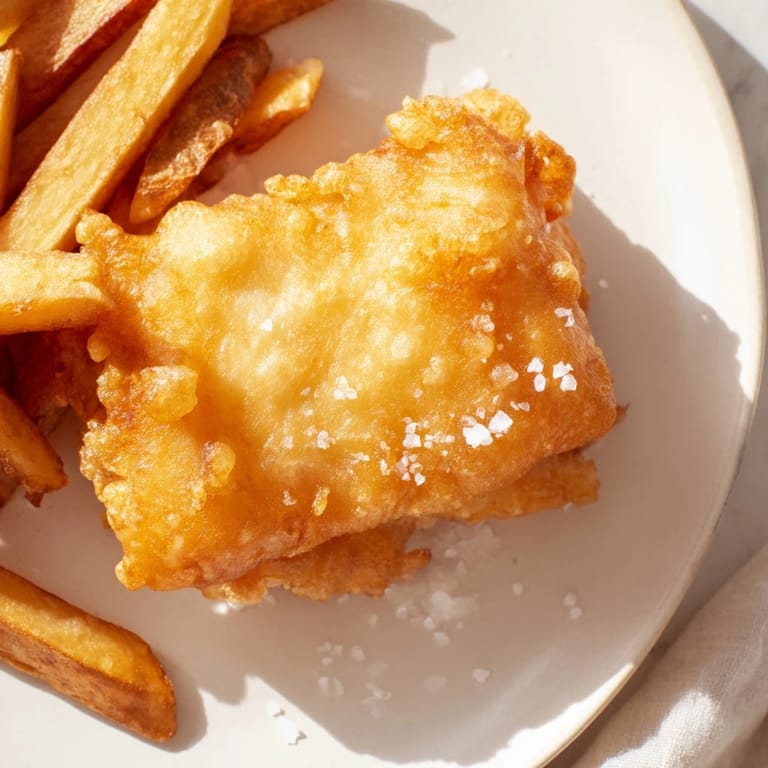
Save There's something about standing in a busy fish and chip shop on a Friday evening—the smell of vinegar and hot oil wrapping around you like a familiar hug—that makes you understand why this dish has endured for generations. I learned to make proper fish and chips not from a culinary school, but from watching my neighbor Mike, a retired fisherman, work his magic in a modest kitchen with nothing but technique and patience. He taught me that the magic isn't in secret ingredients or fancy equipment; it's in respecting two simple things—good fish and the right temperature. That first time I nailed the double-fry method and pulled out golden chips with a crispy exterior and fluffy center, I finally got why people queue around the block for this.
I made this for my family on a Sunday during a particularly grey English winter, and my daughter—who usually picks at her food—ate every chip on her plate without looking up. That's when I realized this isn't really about the food at all; it's about gathering people around something warm and comforting when the world outside feels cold.
Ingredients
- White fish fillets (cod or haddock): Use fresh fillets that smell like the sea, not fishy—this makes all the difference in flavor and texture.
- All-purpose flour and cornstarch: The cornstarch is the secret weapon; it keeps the batter extra crispy even after it cools slightly.
- Baking powder: This creates those tiny bubbles in the batter that give you that irresistible crunch.
- Cold sparkling water: The carbonation is essential—it aerates the batter and keeps it light and crispy, not heavy and greasy.
- Russet or Maris Piper potatoes: Maris Pipers are traditional for a reason; they have the right starch content for that fluffy interior and crispy exterior.
- Sunflower or vegetable oil: Use oil with a high smoke point; you'll need it to stay stable at high temperatures without burning.
- Sea salt: This isn't just seasoning—it draws out moisture and enhances flavor in a way table salt can't quite manage.
Tired of Takeout? 🥡
Get 10 meals you can make faster than delivery arrives. Seriously.
One email. No spam. Unsubscribe anytime.
Instructions
- Soak and first-fry your chips:
- Cut your potatoes into thick fries, soak them in cold water for at least 15 minutes to remove excess starch, then pat them completely dry—any moisture will steam instead of fry. Lower them gently into 150°C oil for 4 to 5 minutes until tender but pale; this first fry is about cooking them through, not coloring them.
- Mix your batter:
- Whisk flour, cornstarch, baking powder, salt, and pepper together, then slowly add ice-cold sparkling water while whisking until you get a thick, smooth batter that coats the back of a spoon. The carbonation matters more than you'd think—it's what gives you that signature crunch.
- Crisp up those chips:
- Crank your oil temperature up to 190°C and fry your pre-cooked chips again for 2 to 3 minutes until golden and shatteringly crisp. This second fry is where the magic happens—it's what makes them fluffy inside and crispy outside.
- Batter and fry the fish:
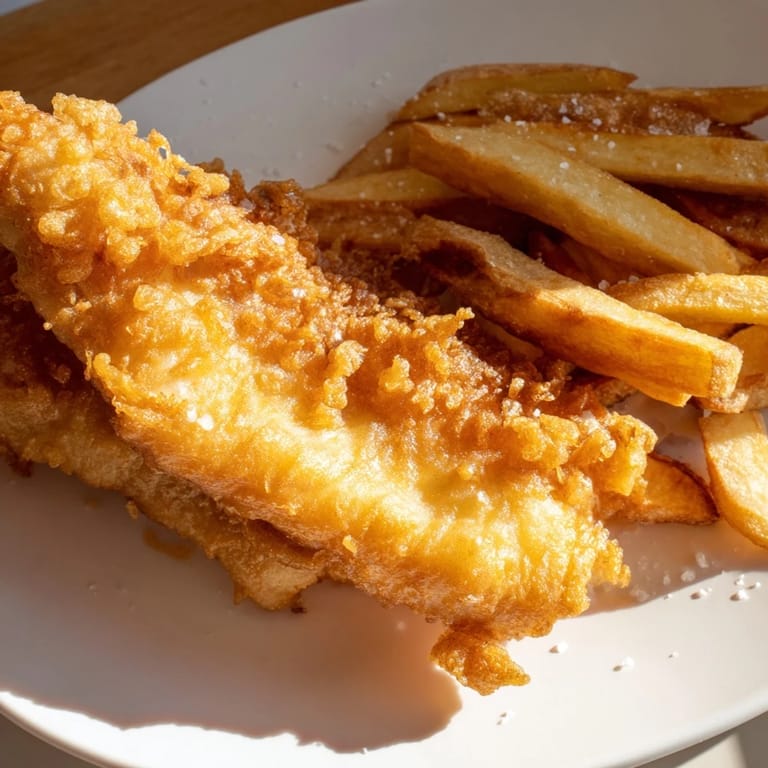
- Pat your fish completely dry so the batter clings properly, dust lightly with flour, then dip each fillet into the batter and let the excess drip off before sliding it gently into the hot oil. Fry for 5 to 7 minutes, turning once, until the batter is deep golden and sounds crispy when you tap it.
- Plate and serve:
- Get everything onto warm plates immediately while the fish is still crackling and the chips are steaming; a sprinkle of malt vinegar or a squeeze of lemon is all you need.
 Save
Save I remember my mother-in-law, who grew up in a seaside town in Cornwall, tasting my version for the first time and nodding quietly—that single approving nod meant more to me than any compliment could. That's when I understood that this dish transcends recipe instructions; it's a bridge between people and memories.
The Double-Fry Technique Explained
The two-temperature fry method isn't a complicated technique at all—it's just respecting the work each fry needs to do. The first fry at the lower temperature cooks the potato all the way through without any color, then the second fry at higher heat crisps the exterior in seconds. I learned this by accident when I forgot to increase my oil temperature and ended up with chips that stayed pale and soft, which taught me that this method works precisely because both steps serve a purpose. Once you understand why you're doing it, the timing comes naturally.
Choosing Your Fish Wisely
Not all white fish behaves the same way when it hits hot oil, and the difference between good and great fish and chips comes down to this choice. Cod has a firmer flesh that stays intact beautifully, while haddock is slightly more delicate and sweet; either works wonderfully if it's fresh. I once made this with frozen fish that had been thawed carelessly, and the texture fell apart in the batter—that mistake taught me to always buy the freshest fish you can find and handle it with actual care, not just speed.
Batter Science and Serving Secrets
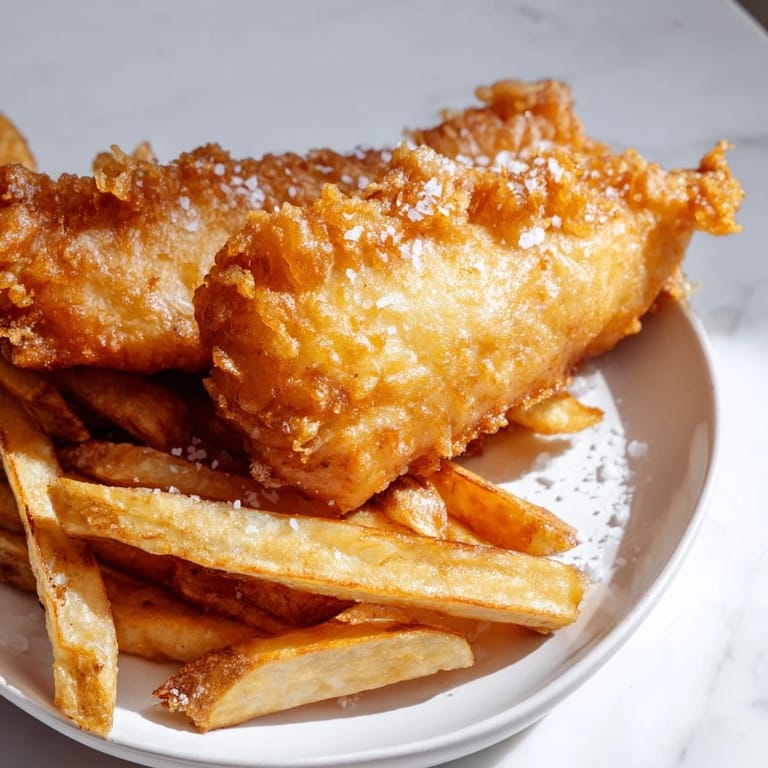
The batter's crispiness depends on three things: carbonation from the sparkling water, cold temperature that prevents premature cooking, and the precise ratio of flour to starch. I've experimented with beer batter, and while it adds flavor, it's not necessary for that crackle everyone chases. If you're making this for more than four people, keep your finished fish and chips warm on a rack in a low oven rather than stacking them, which traps steam and destroys texture.
- Always taste your oil temperature with a tiny drop of batter before committing your fish to it.
- Malt vinegar is traditional for a reason—its acidity cuts through the richness perfectly, but a good lemon wedge works just as well.
- Make mushy peas if you want to be authentic; they're peas simmered soft with a knob of butter and salt, and they round out the meal beautifully.
 Save
Save This is the kind of food that teaches you the difference between cooking and caring for people. Make it well, serve it hot, and watch what happens.
Common Questions
- → What type of fish works best for this dish?
White fish such as cod or haddock are ideal due to their mild flavor and flaky texture when fried.
- → Why double-fry the chips?
Double frying ensures the fries have a crispy exterior while remaining fluffy and soft inside.
- → Can I substitute beer in the batter?
Yes, using beer instead of sparkling water adds extra flavor and enhances crispiness in the batter.
- → How do I keep the fish crispy after frying?
Drain the fish on a wire rack or paper towels to remove excess oil, which helps maintain crispiness.
- → What accompaniments pair well with this preparation?
Malt vinegar, lemon wedges, tartar sauce, and mushy peas are traditional and enhance the dish's flavor balance.