 Save
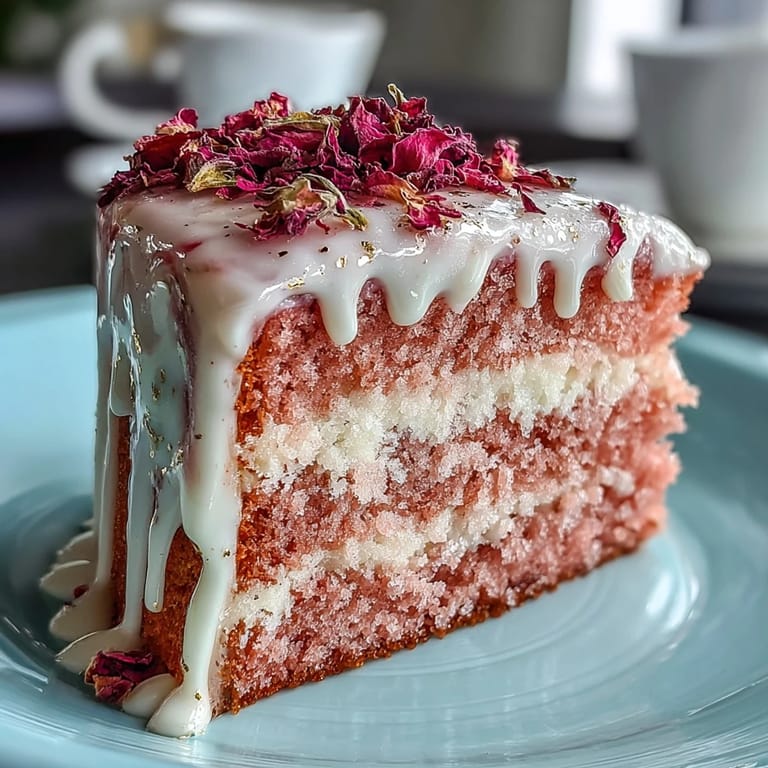
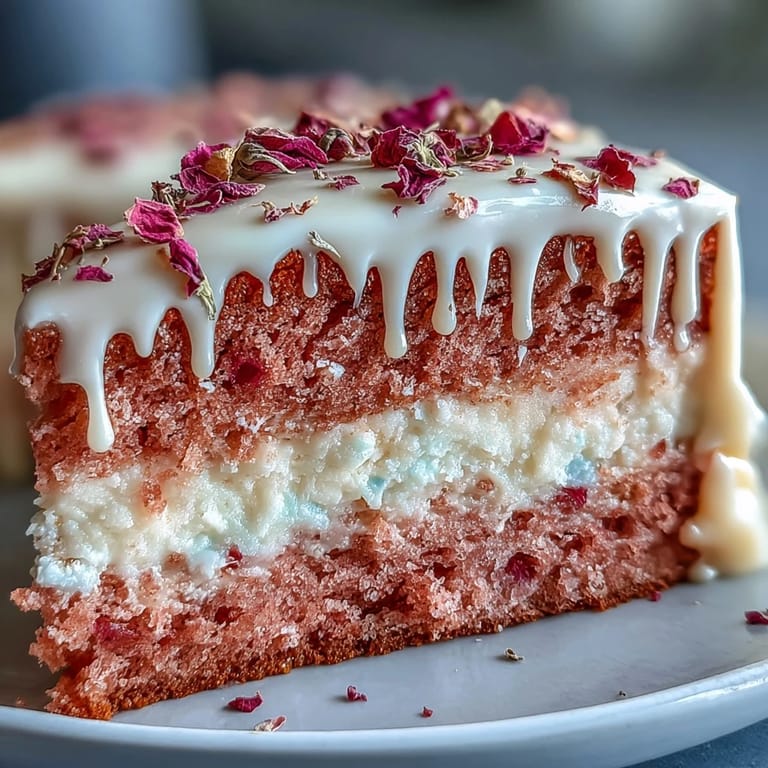
Save Some cakes are born to be the centerpiece, and this Rosé Velvet Cake was one of those happy accidents that blossomed into a showstopper. I hadn't planned for the gold drip, but the sun hit a bottle of edible luster dust just as I was finishing, and suddenly, gilded edges were absolutely non-negotiable. The kitchen buzzed with anticipation—maybe from the open bottle of rosé nearby, maybe from the chance to make something truly memorable for a friend about to get married. Pink crumbs trailed across the counter, a reminder that sometimes elegance can be wonderfully messy. Even the scent as it baked—buttery, floral, and tinged with cocoa—felt like the preview to a celebration.
Last spring, I made this for a bridal shower where the bride's sister snuck into the kitchen sneakily hoping for a taste of leftover frosting. It became a sort of frosting-tasting party, laughing over who could swipe the most without getting caught. The cake, with its gold flecks sparkling in the afternoon light, matched the mood—effortlessly sophisticated, and just a little bit playful. By the time we carried it out, the room went quiet except for impressed ohs. It felt like more than cake—almost like a shared secret.
Ingredients
- All-purpose flour: Sifting before measuring makes for lighter, airier cake layers that bake up evenly.
- Granulated sugar: Creams beautifully with oil for a soft, delicate crumb—I always stick to superfine for zero grit.
- Baking soda: Gives the lift you need, but a gentle hand is key or the cake domes too much.
- Fine salt: Just half a teaspoon is all it takes to sharpen the delicate flavors without making things salty.
- Cocoa powder (unsweetened): Only a whisper here—enough for depth, not a chocolate cake.
- Vegetable oil: Leaves the cake ultra-moist; olive oil is too bold, but plain vegetable does the trick.
- Eggs (room temperature): These blend in much more smoothly if you let them sit out for thirty minutes first.
- Buttermilk: A must for tang and tenderness—shake well if it's been sitting in the fridge for a while.
- Rosé wine: I've tested both dry and sparkling; either brings a gentle floral note and subtle sophistication.
- Vanilla extract: Adds warmth and balances the cocoa and wine; pure extract brings the best aroma.
- White vinegar: Just a dash, but it sparks the leavening and rounds out the flavor.
- Pink or rose gel food coloring: A little goes a long way, and I always mix until I'm happy with the shade of blush.
- Unsalted butter (room temp): The base for a smooth, creamy buttercream; cold butter won't whip up nearly as fluffy.
- Powdered sugar (sifted): Avoid lumps in your frosting by sifting beforehand—it's worth the extra minute.
- Heavy cream: Essential for a pourable, glossy drip; don't rush the melting to keep it smooth.
- Edible gold luster dust: This gives the magic—double check the packaging to make sure it's truly edible.
- Vodka or clear lemon extract: Both evaporate quickly, setting the gold paint without softening the drip.
- Additional edible gold, rose petals, or berries: Totally optional, but stunning for finishing touches.
Tired of Takeout? 🥡
Get 10 meals you can make faster than delivery arrives. Seriously.
One email. No spam. Unsubscribe anytime.
Instructions
- Get everything set:
- Preheat your oven to 350°F and line three 8-inch pans with parchment so nothing sticks, no matter how pink the batter gets.
- Start your dry mix:
- In a large bowl, sift flour, sugar, baking soda, salt, and cocoa together; watch the faint chocolate dust swirl.
- Combine the wet ingredients:
- Whisk oil, eggs, buttermilk, rosé, vanilla, and vinegar in a separate bowl until slick and uniform, then inhale that subtle rosy aroma.
- Mix and tint the batter:
- Stir wet mix into dry just until there are no streaks, then swirl in gel color until you love the shade—it should look like a sunset, not neon.
- Bake the cakes:
- Divide evenly into pans and smooth the tops; bake 30-35 minutes, until a toothpick comes out with just a crumb or two.
- Let them cool:
- Cool for 10 minutes, then carefully turn out cakes and let them cool completely; rush this and the frosting will melt.
- Whip the rosé buttercream:
- Beat butter until pale and airy, then add powdered sugar in batches, mixing well so it's cloudlike and not grainy.
- Finish the frosting:
- Add rosé, vanilla, and salt, whipping for a few more minutes—it should taste lightly floral and feel silky.
- Stack and frost:
- Level cakes if needed, spread buttercream between layers, and finish with a crumb coat before chilling; this keeps the final coat flawless.
- Prepare the gold drip:
- Gently melt chocolate chips with cream until smooth, then let cool slightly so it doesn't run off the cake.
- Add the gold shimmer:
- Pour or spoon the cooled drip along the cake's edge and use a paintbrush to dab on gold luster when set, admiring that magical transformation.
- Final touches:
- Top with gold flakes, petals, or berries—step back and enjoy the sight before anyone sneaks a taste.
 Save
Save 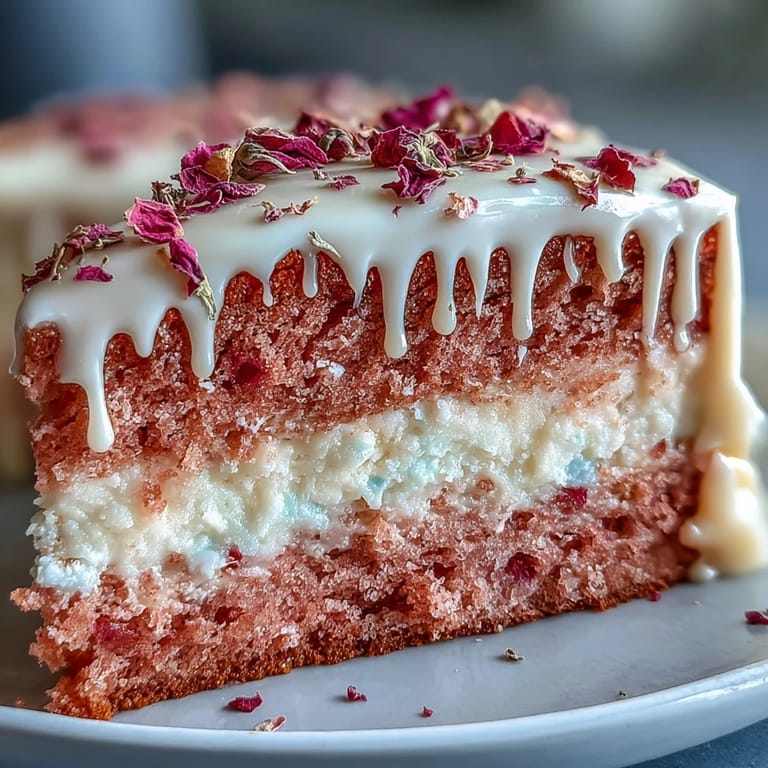 Save
Save This cake turned a simple afternoon into a cascade of surprise smiles and hurried photos, the gold shimmer catching every glimmer of sunlight in the room. While everyone raved about the flavor, it was the laughter over uneven drips and volunteering "decorators" that really made it unforgettable.
Decor That Dazzles Every Time
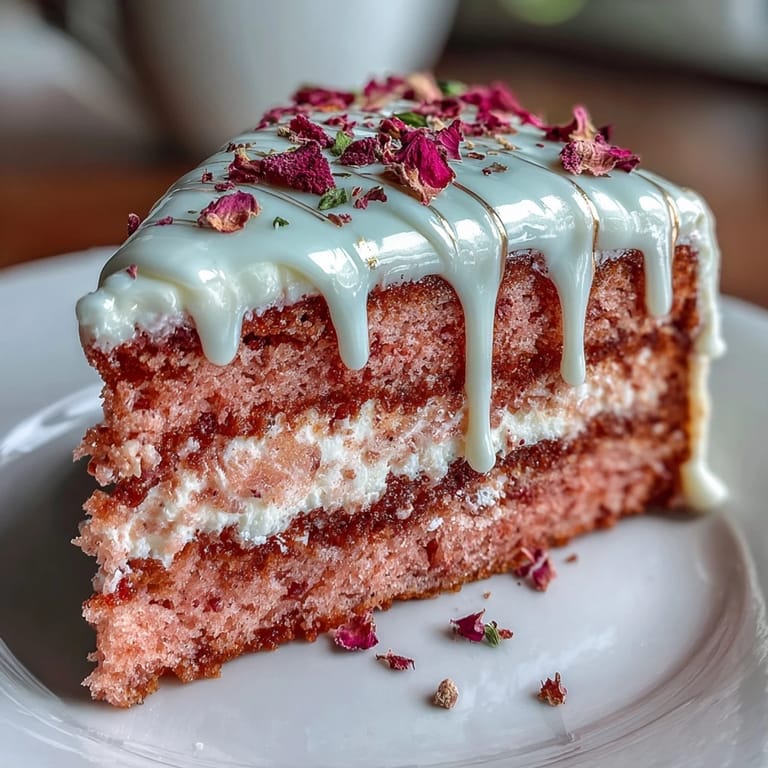
Bringing a little shimmer to your cake doesn't have to be intimidating. My first attempt at the gold drip wasn't symmetrical, but it sparkled just the same, and honestly, guests loved the playful look just as much as a perfect finish.
Choosing The Right Rosé
I tried both dry and sparkling rosé in this recipe, and each brought something different: sparkling for a hint of brightness, dry for subtle fruitiness. If you aren't a big wine person, don't worry—it's gentle, not bold, and rounds out the flavor without overpowering it.
Making It Ahead For Stress-Free Celebrations
Baking the cake layers a day in advance lets you relax on the decorating day and ensures everything is fully cool for buttercream. If you're short on time, buttercream and gold drip can comfortably wait in the fridge for assembly.
- Let cakes reach room temperature before decorating so frosting spreads smoothly.
- Store leftovers tightly wrapped to keep the cake moist and rich for days.
- Don't be afraid to delegate the decorating—it makes the memory even better.
 Save
Save 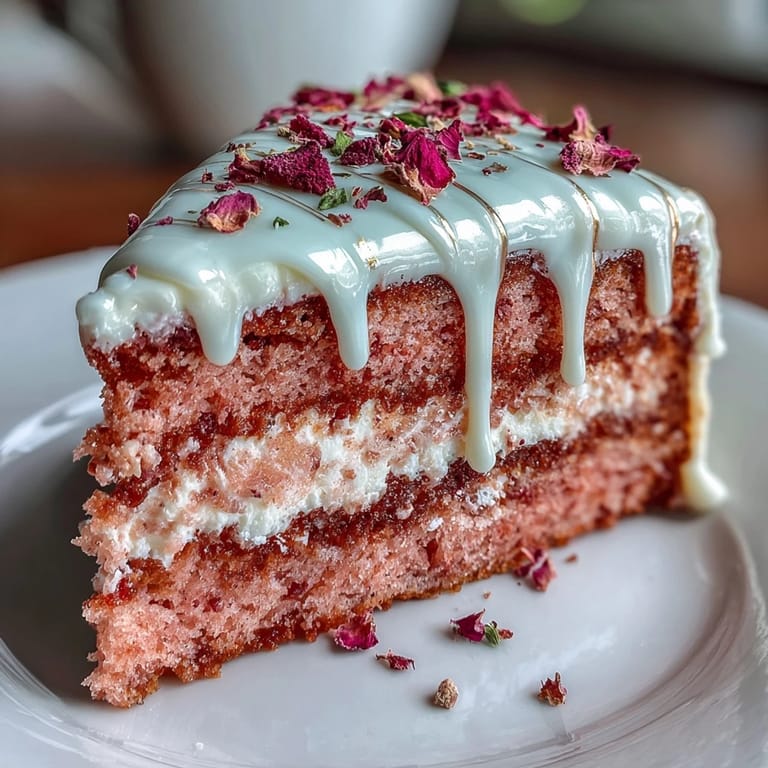 Save
Save Sharing this cake is always an experience, as photogenic as it is delicious. Here's to celebrating love, laughter, and the kind of kitchen stories that shimmer long after the last crumb is gone.
Common Questions
- → Can I replace the rosé with a nonalcoholic option?
Yes — substitute an equal amount of unsweetened sparkling grape juice or a concentrated white grape reduction to retain the fruity note without alcohol. Adjust sweetness to taste.
- → How do I keep the buttercream stable for stacking?
Beat unsalted butter until very light, add powdered sugar gradually, and chill the crumb coat before the final layer. If climate is warm, refrigerate between steps to maintain structure.
- → What’s the safest way to make the gold drip edible?
Use white chocolate and cream for the drip base, cool slightly, then paint with edible gold luster mixed with a food-safe clear extract or approved alcohol. Only use food-grade luster dust labeled edible.
- → Which rosé works best for flavor?
Choose a dry or off-dry rosé with bright red-fruit notes; a sparkling rosé adds a subtle floral lift. Avoid overly tannic or heavily oaked bottles to keep the batter balanced.
- → Can this be prepared ahead of time?
Yes — bake and cool layers a day ahead, chill after crumb coating, and finish with the final buttercream and gold drip within 24 hours. Bring to room temperature before serving for optimal texture.
- → How do I get an even pink shade throughout the cake?
Use gel food coloring for concentrated hue; mix into the batter until evenly distributed. Start with a small amount and build to the desired rosy tone to avoid altering batter consistency.