 Save
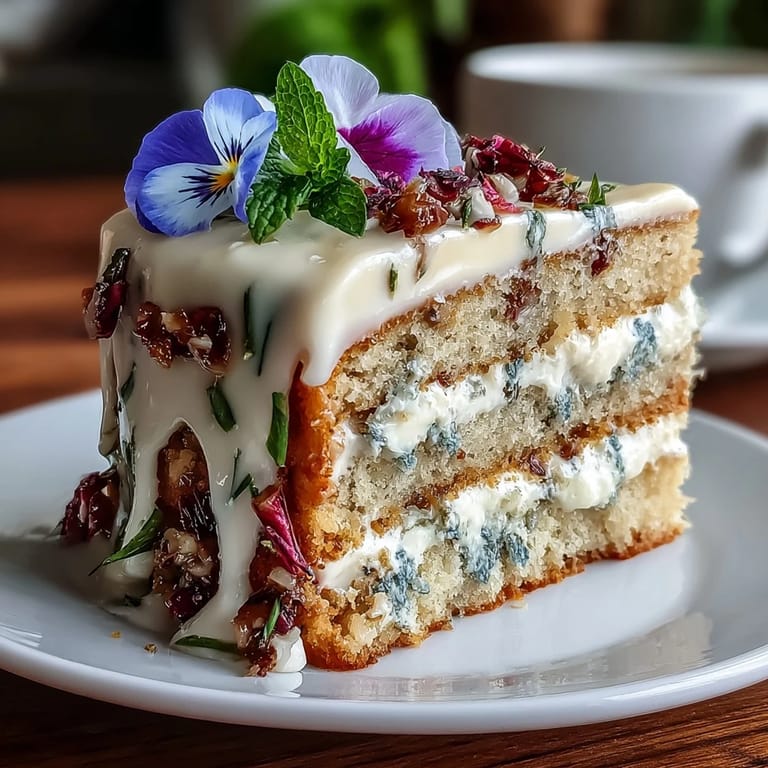
Save My neighbor handed me a jar of pressed violets last spring with absolutely no context, just a knowing smile. I stared at those delicate purple petals flattened between sheets of tissue and thought, what am I supposed to do with these? Three days later, I'd baked my first flower-topped cake, and suddenly everything clicked—the buttery vanilla layers, the clouds of whipped cream, those jewel-toned blossoms catching the light. It became the cake I made whenever I needed something to feel like celebration without the fuss.
I brought this cake to my sister's garden party last May, and I watched my reserved aunt actually light up when she tasted it. She kept asking what made it taste so spring-like, and I realized it wasn't any secret ingredient—it was just the feeling of lightness, how the vanilla and milk create this tender crumb that melts before you're done chewing. The flowers on top made people slow down and really look at their dessert before diving in, which felt like the whole point.
Ingredients
- All-purpose flour: The foundation of everything; sifting it with the baking powder and salt ensures no lumps sabotage your layers.
- Baking powder: This is your lift—make sure it's fresh or your cake will spread thin and dense instead of rising proud.
- Unsalted butter: Softened to room temperature so it creams into that cloud-like texture that traps air and creates tenderness.
- Granulated sugar: Creaming this with butter for those 3–4 minutes isn't wasted time; it's where the magic starts.
- Eggs at room temperature: Cold eggs won't incorporate smoothly and you'll end up with a batter that looks curdled—learned that lesson young.
- Pure vanilla extract: Not the imitation stuff; it makes a real difference in how the cake tastes like comfort.
- Whole milk at room temperature: The alternating method with flour keeps the batter from getting tough, and warm milk helps maintain that tender crumb.
- Heavy whipping cream: Cold cream whips into clouds; room temperature cream whips into soup, and nobody wants soupy frosting.
- Powdered sugar: Dissolves into the whipped cream without grittiness if you don't overbeat.
- Pressed edible flowers: These are the soul of the cake; press them between parchment and heavy books for at least 24 hours until they're flat and papery.
- Fresh mint leaves: A whisper-quiet green garnish that ties the whole garden party aesthetic together.
Tired of Takeout? 🥡
Get 10 meals you can make faster than delivery arrives. Seriously.
One email. No spam. Unsubscribe anytime.
Instructions
- Set the stage:
- Preheat the oven to 350°F and line your cake pans while you gather ingredients; cold pans will throw off your bake time. Grease generously and line with parchment so the layers release without sticking.
- Dry ingredients together:
- Sift flour, baking powder, and salt into a medium bowl and set it aside; this step prevents lumps from hiding in your batter. Think of it as giving your flour a little massage to aerate it.
- Cream butter and sugar:
- In a large bowl, beat softened butter with sugar until it's light, fluffy, and pale—about 3–4 minutes by electric mixer. Stop and scrape down the bowl halfway through; you want no streaks of unmixed butter.
- Add eggs one by one:
- Drop in one egg, mix until it disappears, then add the next; this takes patience but prevents the batter from looking broken. Once all four are in, stir in the vanilla extract.
- Alternate flour and milk:
- Add one-third of the flour mixture, then half the milk, then another third of flour, then the rest of the milk, and finally the last flour. Mix on low speed just until the streaks disappear—overmixing toughens the cake into something dense and sad.
- Divide and smooth:
- Pour the batter evenly into your two prepared pans and smooth the tops with a spatula; even layers mean even baking and a cake that doesn't lean. Try to make them level; you'll taste the difference.
- Bake and watch:
- Bake for 30–35 minutes until a toothpick in the center comes out clean or with a few moist crumbs. Every oven has its quirks—start checking at 30 minutes because overdone cake is beyond rescue.
- Cool with intention:
- Let the cakes rest in their pans for 10 minutes to firm up, then turn them onto wire racks to cool completely. Frost a warm cake and the frosting melts into sadness; cold cake holds frosting like a dream.
- Whip the frosting:
- In a chilled bowl, beat cold heavy cream with powdered sugar and vanilla until stiff peaks form—this takes 3–4 minutes. Stop when the peaks stand tall; overbeat and you're one spin away from butter.
- Layer and frost:
- Place one cake layer on your serving plate, spread a generous layer of whipped cream on top, and set the second layer down gently. Frost the top and sides with the remaining cream, making it as rustic or smooth as your mood allows.
- Press the flowers:
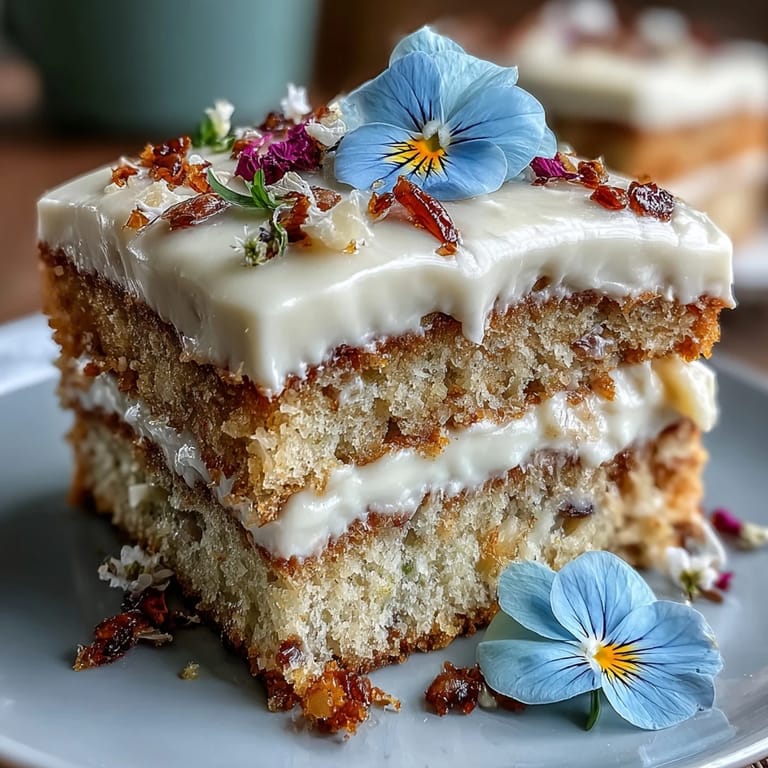
- Gently press your pressed flowers onto the frosted cake, arranging them in a pattern that feels organic rather than rigid. Tuck mint leaves between flowers for pops of green that make the cake look gathered from a garden.
- Chill before serving:
- Refrigerate the cake for at least 30 minutes so the frosting sets firm and the flowers stay exactly where you placed them. A cold cake slices cleaner anyway.
 Save
Save There's a moment when you press the first flower onto the frosting and it stays, actually stays, exactly where you wanted it, and you realize you've made something that looks like it took hours of skill when really it just took patience and cold cream. That's when a cake stops being dessert and becomes a small act of care.
Choosing Your Flowers
Not every flower that's pretty is safe to eat, which I learned the hard way when I almost used roses from my neighbor's spray-treated hedge. Stick to flowers you know were grown organically and never touched by pesticides—violets, pansies, nasturtiums, chamomile, and rose petals from organic sources are reliable choices. If you're uncertain, don't press it onto food; there are plenty of beautiful edible flowers out there waiting for you.
Prep Work That Pays Off
The entire magic of this cake depends on planning ahead. Pressing flowers takes at least 24 hours, so start there; pulling herbs fresh and flowers beautiful at the last minute feels romantic but guarantees disappointment. Have your pans lined, ingredients measured, and oven preheated before you mix anything; it's not fancy kitchen protocol, it's just kindness to your future self who's in the middle of folding flour into eggs.
Flavor Variations & Pairing Ideas
This is the blueprint, but it's also flexible. Add lemon zest to the batter for brightness, or a touch of almond extract instead of vanilla for something subtly different. Pair the cake with sparkling wine that has floral notes, or serve it alongside a delicate chamomile tea; the beauty of a light vanilla cake is that it doesn't fight whatever you drink alongside it.
- Lemon zest stirred into the batter brings a whisper of citrus that makes the flowers taste even more like spring.
- A tablespoon of rose water swirled into the whipped cream frosting transforms it into something almost floral without overpowering the cake itself.
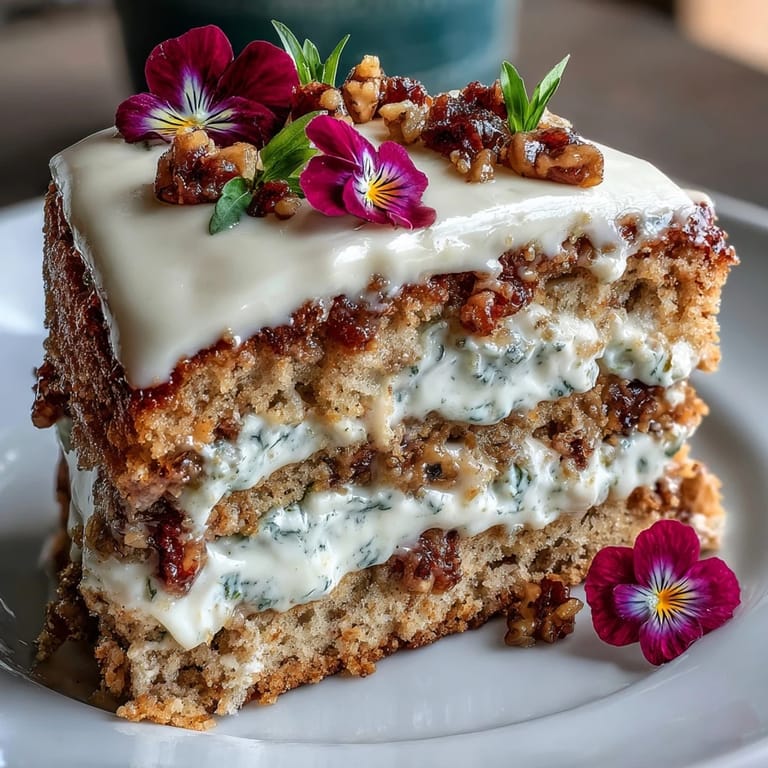
- Serve chilled on a blue or white plate so the pressed flowers create real contrast against the background.
 Save
Save This cake is the opposite of fussy despite how it looks—it's proof that you don't need technique or years of practice to make something that stops people mid-conversation. Bake it when spring feels possible, and watch it become the cake people ask you to bring again.
Common Questions
- → How do I press flowers for decoration?
Use parchment paper and place flowers between heavy books for at least 24 hours to flatten and dry them without losing color.
- → Can I substitute heavy cream in the frosting?
Heavy cream is essential for stiff peaks; however, chilling the bowl and cream before whipping helps achieve the right texture.
- → What types of flowers are safe to use?
Choose organically grown edible flowers like violets, pansies, nasturtiums, rose petals, and chamomile to ensure safety and flavor.
- → How should I store the cake after decorating?
Refrigerate the cake after frosting and decorating to help set the cream and preserve the fresh flower decorations.
- → Can I add citrus flavor to the cake batter?
Yes, adding 1–2 teaspoons of lemon zest to the batter gives a fresh, zesty twist complementing the floral tones.