 Save
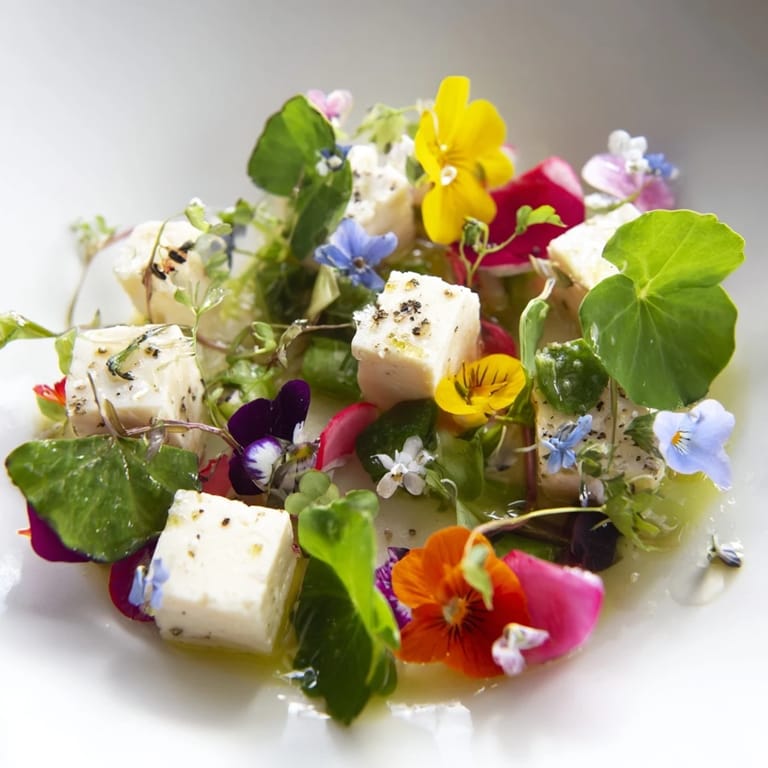
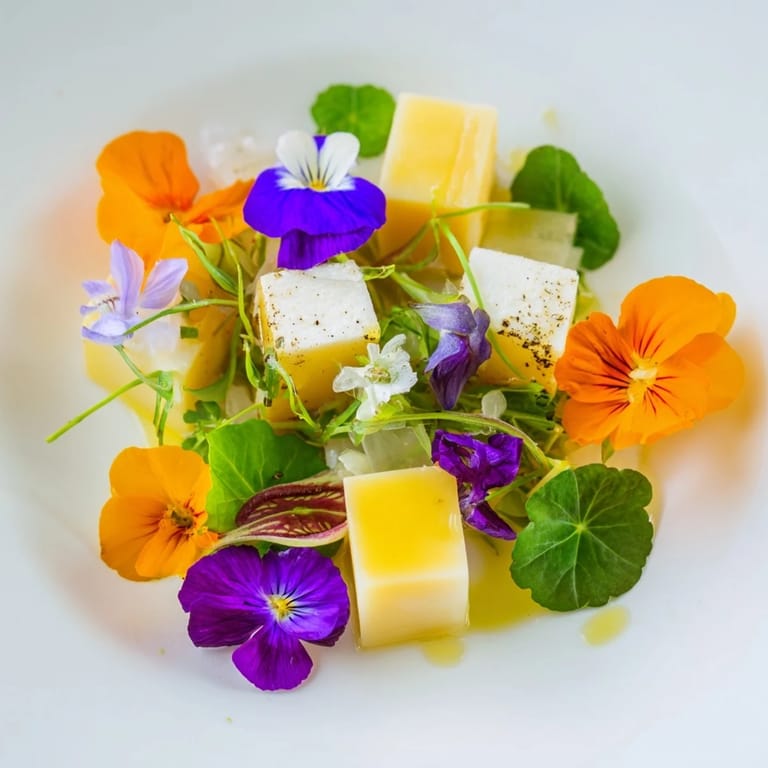
Save I discovered this dish entirely by accident at a farmers market on a Saturday morning when I was hunting for edible flowers to press into homemade butter. The vendor arranged delicate violets and pansies alongside cheese samples, and something clicked—why hide the cheese when you could turn the whole thing into a playful treasure hunt? That afternoon, I invited friends over and watched their faces light up as they lifted microgreens to discover pockets of different cheeses beneath. It felt like magic, honestly, even though it took barely twenty minutes to assemble.
The first time I made this for my sister's engagement celebration, I was nervous about whether edible flowers would feel too pretentious or strange. Instead, her guests spent the entire appetizer course crouching over the board, playfully debating which cheese cube they were hunting for next, and I overheard someone say it was the most fun they'd had at a party in years. Watching people slow down and actually taste things instead of mindlessly grazing changed how I think about feeding people.
Ingredients
- Aged cheddar: The sharpness cuts through delicate flowers beautifully, and I've learned that cubing it larger rather than smaller keeps it from getting lost in the greens.
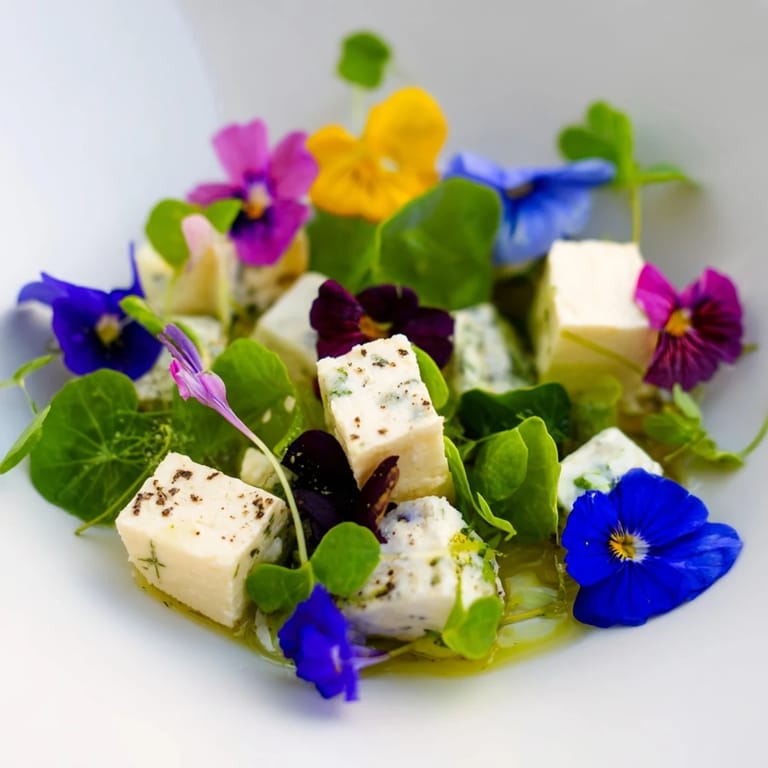
- Goat cheese: Its tangy creaminess is the gentle surprise that makes people pause mid-forage; room temperature is absolutely key so it doesn't feel stiff.
- Gruyère: This is your umami anchor, nutty and sophisticated, and honestly the most forgiving cheese if someone handles the board a bit rougher than intended.
- Microgreens: Pea shoots give you crunch, radish greens bring a subtle bite, and mixed herbs keep things interesting—don't use regular salad greens because they wilt and look sad within minutes.
- Edible flowers: Source from specialty grocers or farmers markets where you can ask about pesticide-free practices; nasturtiums taste peppery, pansies are mild, and violets add that delicate elegance that makes people feel like they're eating jewelry.
- Extra virgin olive oil: Optional but I use it for a light drizzle that catches the light and makes the whole thing look even more garden-like.
- Flaky sea salt and black pepper: These are your final seasoning notes that tie everything together without overpowering the subtle flavors.
Tired of Takeout? 🥡
Get 10 meals you can make faster than delivery arrives. Seriously.
One email. No spam. Unsubscribe anytime.
Instructions
- Cut and arrange your cheeses:
- Use a sharp knife to cut each cheese into roughly half-inch cubes and scatter them across your board with some breathing room between types. This creates natural zones so guests can choose their adventure, and the spacing keeps each cheese from getting squished or confused with its neighbors.
- Layer in the microgreens:
- Generously scatter your microgreens over and around the cheese cubes, letting them cascade and tangle naturally so some cheese peeks through but most is delightfully hidden. Watch how the colors interact—this is where the board starts looking like an actual secret garden.
- Tuck in the flowers:
- Place edible flowers thoughtfully among the microgreens, filling gaps and creating visual depth, almost like you're arranging a living landscape. I like to cluster colors together for impact, so a pocket of purple violets next to sunny calendulas catches the eye in a way scattered flowers never do.
- Finish with oils and seasoning:
- If using olive oil, drizzle it lightly over the whole composition so it glistens without pooling, then finish with a scattering of flaky sea salt and a few grinds of black pepper. The salt brings out the earthiness of the microgreens while the pepper adds a final whisper of sophistication.
- Serve immediately and invite the forage:
- Place the board on the table and watch people's faces as they realize this is not just beautiful but meant to be explored. Small tongs optional but honestly fun, though most guests will happily use their hands and feel like kids again.
 Save
Save I'll never forget my mom's reaction when she tasted this at a casual dinner—she grew up on simple cheese and crackers, and the way she closed her eyes after biting into goat cheese tucked beneath a nasturtium leaf, then opened them with this surprised smile, made me understand that food isn't just fuel. It's permission to play and wonder and taste things slowly, and that feeling is something I want to give people every time I set a table.
Sourcing Your Flowers and Greens
The difference between this dish working beautifully and falling flat often comes down to where you source your ingredients. I spend time talking to farmers market vendors, asking which flowers were grown without pesticides and which microgreens are harvested fresh that morning. Building relationships with these growers means you're not just buying ingredients—you're getting their knowledge, their recommendations for what's at peak flavor right now, and peace of mind knowing exactly where your food traveled from. It transforms the whole experience from fussy to genuinely joyful.
Cheese Temperature and Texture
Cold cheese tastes muted and dense, which is why pulling everything from the fridge about fifteen minutes before assembly actually matters. You want goat cheese creamy enough that it melts slightly on the tongue, cheddar sharp enough to taste like something, and Gruyère nutty enough to deserve the spotlight. I've learned this the hard way by serving a version straight from the fridge to disappointed silence, then the same cheese at room temperature to actual delight—never underestimate what thirty minutes at the counter can do.
Timing and Presentation Secrets
This dish is deceptive in its simplicity—it looks effortless but actually requires thinking through every detail to land the magic. The key is assembling everything moments before serving, not hours ahead, because wilted microgreens and sad flowers tell the complete opposite story from what you're trying to tell. I treat the board like a landscape artist would, thinking about color balance, texture contrast, and negative space so guests actually want to lean in and explore rather than just grab something quickly.
- Prep your cheeses and chill them separately until assembly time so they're ready to grab but still flavorful.
- Keep flowers and microgreens in separate containers with damp paper towels underneath so they stay perky and vibrant right up until the moment they hit the board.
- Test your setup on a smaller board first if you're nervous about proportions so you nail it when guests are watching.
 Save
Save This recipe proved to me that sometimes the most memorable meals don't come from hours of labor but from thoughtfulness and permission to play. When you serve something that invites guests to slow down and explore, you're giving them a gift that tastes way better than the sum of its parts.
Common Questions
- → What types of cheese work best for this dish?
Aged cheddar, goat cheese, and Gruyère provide a balance of sharpness, creaminess, and nuttiness that complement the fresh greens and flowers well.
- → Can I substitute the edible flowers?
Yes, use any fresh, pesticide-free edible flowers like nasturtiums, pansies, violets, or calendula to add color and subtle flavor.
- → Is this dish served cold or room temperature?
Serve immediately at room temperature to best enjoy the fresh textures and flavors of the cheeses, microgreens, and flowers.
- → Can olive oil be omitted or replaced?
Olive oil is optional; you can omit it or drizzle a delicate flavored oil such as walnut or hazelnut oil for a different note.
- → What are good beverage pairings?
Crisp white wines or sparkling rosé pair beautifully with the combination of creamy cheeses and fresh greens.