 Save
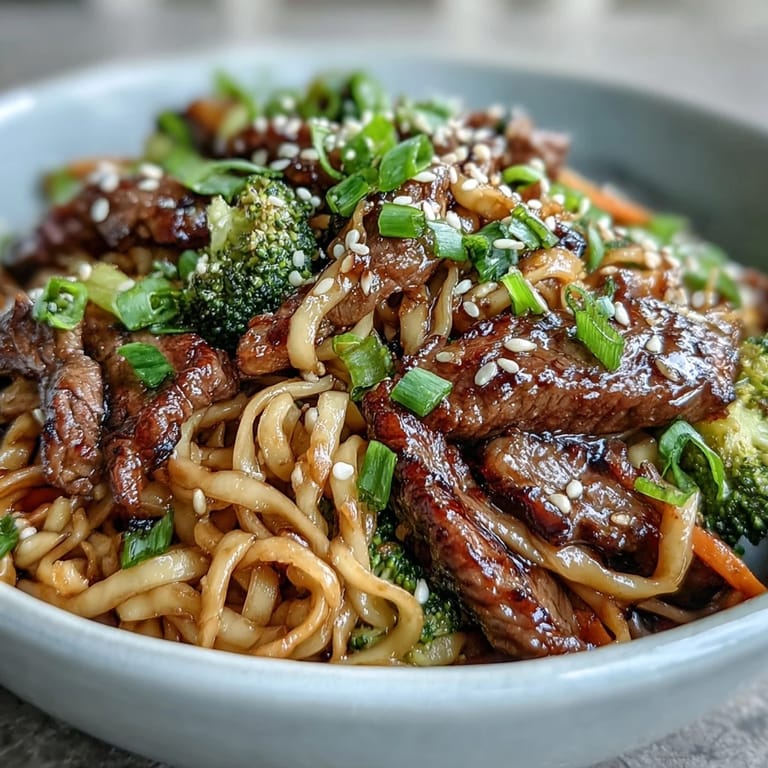
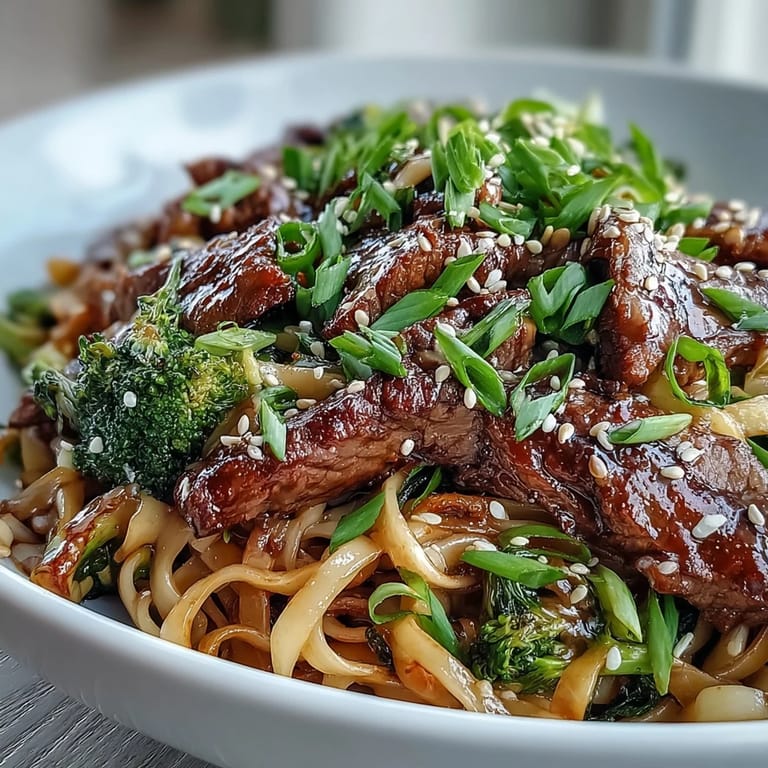
Save The first time I attempted Korean beef noodles, I underestimated how quickly flank steak could go from perfectly seared to disappointingly tough. My husband watched from the doorway, probably wondering why I was slicing meat with such surgical precision at 11 PM on a Tuesday. That night taught me everything about cutting against the grain and respecting high heat. Now this recipe lives in my weekly rotation, partly because it comes together faster than takeout delivery would arrive.
Last winter, my sister came over after a terrible day at work, and I made these noodles while she curled up on my couch. She took one bite and actually went quiet for a full minute. Food has this way of fixing things that conversation cannot always touch. We sat there with our bowls, watching snow fall outside, and she eventually admitted it was exactly what she needed.
Ingredients
- 8 ounces rice noodles: These absorb the sauce beautifully and have that perfect slippery texture that makes noodle bowls so satisfying
- 1 pound flank steak: Slice it paper thin against the grain, and it will be tender rather than chewy
- 1 cup broccoli florets: They hold their crunch even after the sauce coats everything
- 1 bell pepper: Red or yellow adds sweetness and color that makes the bowl look inviting
- 1 carrot, julienned: The thin strips cook quickly but stay slightly crisp
- 2 green onions: Fresh garnish cuts through the rich sauce
- 3 cloves garlic: Minced finely so it distributes evenly without burning
- 1 teaspoon ginger: Grated fresh gives the best aromatic punch
- 1/3 cup soy sauce: The salty foundation of the entire dish
- 2 tablespoons brown sugar: Balances the soy and creates that glossy finish
- 1 tablespoon sesame oil: A little goes a long way for that nutty depth
- 2 tablespoons vegetable oil: High smoke point means you can get the heat right
- Sesame seeds: Sprinkle generously for texture and visual appeal
Tired of Takeout? 🥡
Get 10 meals you can make faster than delivery arrives. Seriously.
One email. No spam. Unsubscribe anytime.
Instructions
- Prep your noodles:
- Cook according to package directions, drain, and set aside. Do not rinse.
- Sear the beef:
- Heat vegetable oil in a large skillet over medium-high heat. Add steak and cook 2 to 3 minutes until browned, then remove.
- Bloom the aromatics:
- In the same skillet, stir garlic and ginger for 30 seconds until fragrant but not browned.
- Cook the vegetables:
- Add broccoli, bell pepper, and carrot. Stir fry about 5 minutes until tender yet crisp.
- Make the sauce:
- Whisk soy sauce, brown sugar, and sesame oil until sugar dissolves completely.
- Bring it together:
- Return beef to skillet, pour sauce over everything, stir, then add noodles. Toss gently for 2 minutes until coated and hot.
- Finish and serve:
- Garnish with green onions and sesame seeds right before eating.
 Save
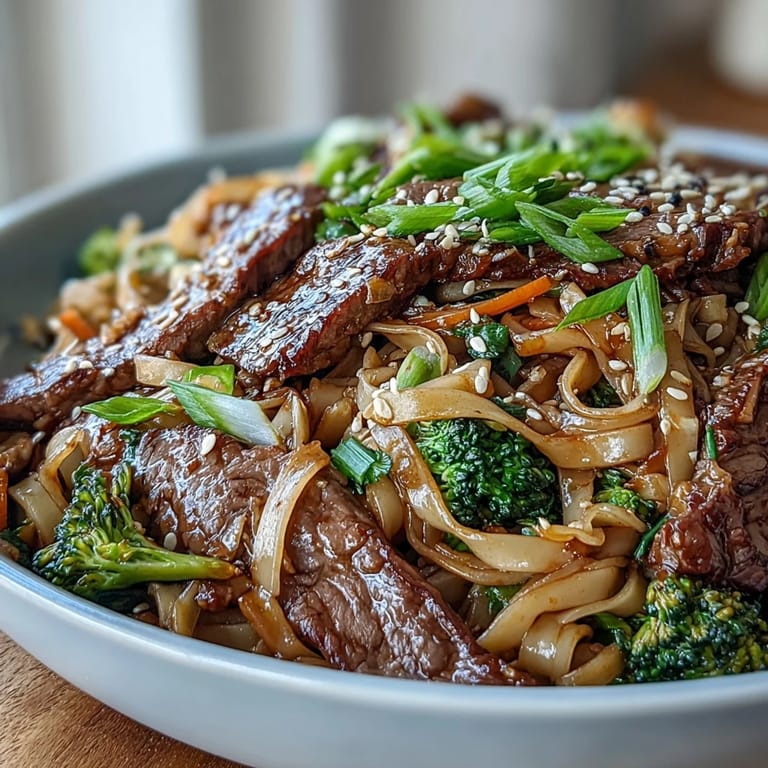
Save This recipe became my go to for new parents because it reheats beautifully and feels like a real meal instead of comfort food compromise. I have delivered it in disposable containers three times this year alone. Every recipient has asked for the recipe within days.
Making It Your Own
Snap peas and zucchini work just as well as the vegetables listed. I have used whatever was languishing in my crisper drawer, and somehow it always turns out fine. The sauce is forgiving enough to tie together whatever you throw in.
Protein Swaps
Thinly sliced chicken breast cooks almost as fast as the flank steak. Tofu works too if you press it first and pan fry until golden before adding to the final toss.
Heat Level
Sriracha or gochujang stirred into the sauce takes this from family dinner to Friday night in an instant. Start with one teaspoon and adjust from there.
- Leftovers keep for three days in the fridge
- The noodles will absorb more sauce as they sit
- Add a splash of water when reheating to loosen things up
 Save
Save Some nights deserve noodles that actually satisfy. This is that recipe.
Common Questions
- → Can I use a different type of protein?
Absolutely! While flank steak is traditional, you can easily substitute with thinly sliced chicken breast, shrimp, or even tofu for a delicious variation. Adjust cooking times as needed to ensure your chosen protein is cooked through.
- → What other vegetables can I add to this dish?
Feel free to customize the vegetable mix based on your preferences. Great additions include snap peas, zucchini, mushrooms, or baby corn. Add them during the stir-fry step to ensure they are tender-crisp.
- → How can I make this dish spicier?
For a spicy kick, consider stirring in a teaspoon or two of sriracha or gochujang paste directly into the sauce mixture. You can also add a pinch of red pepper flakes during the stir-frying process for an extra layer of heat.
- → What's the best way to store leftovers?
Leftovers can be stored in an airtight container in the refrigerator for up to 3 days. Reheat gently in a skillet or microwave, adding a splash of water or broth if the noodles seem dry.
- → Is this dish naturally gluten-free?
The core ingredients can be made gluten-free. Ensure you use certified gluten-free rice noodles and gluten-free tamari instead of regular soy sauce. Always check all ingredient labels carefully to confirm.
- → What kind of noodles are best for this preparation?
Rice noodles are excellent for their silky texture and ability to absorb the sauce. You can use various widths, from thin vermicelli to wider flat noodles. If rice noodles aren't available, thin spaghetti or linguine can be a decent substitute.