 Save
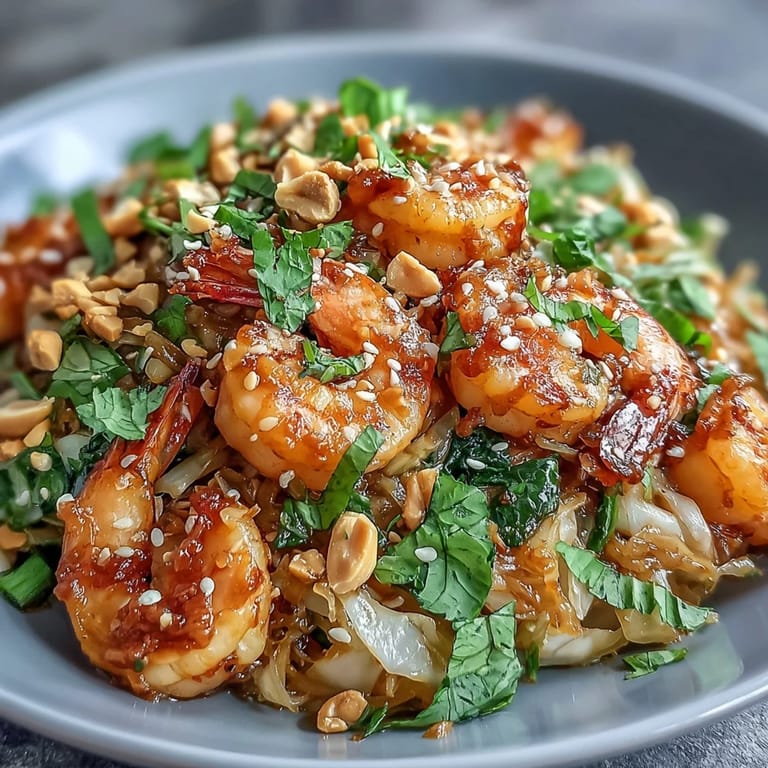
Save The first time cabbage took center stage in my Pad Thai was on one unusually warm evening, windows open and sounds of laughter drifting in from the street. I'd promised myself something bright for dinner, and the crisper drawer yielded nothing but a head of cabbage and some bell peppers. Musing over my Thai cravings and not a noodle in sight, I decided to improvise. The sharp scent of lime and ginger in the air, I wondered if cabbage could ever be as joyful a match for sauce as rice noodles. Spoiler: it absolutely can.
I still remember the delighted surprise on my friend's face when I handed her a bowl and casually mentioned the noodle switch—she raised an eyebrow, tasted, then asked for seconds before I'd even sat down. We stood by the kitchen island, munching straight from our bowls, debating whether cabbage Pad Thai should go on a menu. I swear, between bites and giggles, I decided this would be my go-to whenever I craved something cheerful and light. Even my cat seemed intrigued by the tangy, nutty aroma wafting through the kitchen. That night made this recipe feel like an occasion more than just a meal.
Ingredients
- Green cabbage: Its gentle crunch stands up beautifully to sauce and keeps things light—try using the freshest head you can find for best results.
- Carrot: Julienne for a hit of sweetness and color; a vegetable peeler does the trick in a pinch.
- Red bell pepper: Brings juicy, sweet notes and a pop of red—slice thin for quick, even stir-frying.
- Scallions: Layer flavor by separating the white and green parts; the green tops make a zesty finish.
- Garlic: Mince fine and sauté just until fragrant for an aromatic base—don't let it burn.
- Ginger: Grating it releases spicy freshness; keep a knob in your freezer and grate straight from frozen when needed.
- Large eggs: Scramble gently for soft curds that bind the veggies—take care not to overcook them.
- Cooked chicken, shrimp, or tofu: Your call for protein—choose tofu for a vegetarian delight or keep chicken and shrimp handy for convenience.
- Tamari or soy sauce: Salt and umami anchor the sauce—opt for tamari to stay gluten-free.
- Fish sauce: Classic Thai depth; substitute more tamari for a veggie version.
- Lime juice: Adds tart brightness—always finish with extra fresh lime wedges for zing.
- Unsweetened peanut butter: Melds sweet and savory into the sauce and echoes the crunchy peanuts on top.
- Erythritol, monkfruit, or honey: Sweetens gently; pick your preferred method for the dietary needs at your table.
- Chili flakes or Sriracha: A little heat wakes up the palate, but is always optional—taste as you go.
- Roasted unsalted peanuts: Bash with the flat of a knife for a rustic touch, then sprinkle generously for extra crunch.
- Fresh cilantro leaves: Tear by hand at the table for a grassy, clean finish.
- Lime wedges: Never skip extra wedges—people always come back for more.
Tired of Takeout? 🥡
Get 10 meals you can make faster than delivery arrives. Seriously.
One email. No spam. Unsubscribe anytime.
Instructions
- Mix up the sauce:
- In a small bowl, whisk together tamari, fish sauce (or more tamari), lime juice, peanut butter, your sweetener of choice, and a pinch of chili. Leave it aside while the flavors marry—it'll smell amazing!
- Sauté the aromatics:
- Heat a large nonstick skillet or wok over medium-high and splash in a glug of oil. Drop in garlic, ginger, and the white scallion bits—stir just until you catch that punchy perfume in the steam, about one minute.
- Tumble in the veggies:
- Add cabbage, carrot, and red pepper all at once. Stir-fry vigorously, letting the heat singe a few edges, until the vegetables are just tender but still bright and crisp.
- Egg moment:
- Push the veggies aside to clear a spot, then crack the eggs in and scramble them smoothly. Once set, fold everything together so the egg flecks through the veggies.
- Bring in the protein:
- Add your chosen chicken, shrimp, or tofu. Pour the sauce over the whole pan and toss so every strand is glossy and coated—let it warm through for another minute or two.
- Finishing touches:
- Off the heat, shower over the green scallion tops, crushed peanuts, and plenty of chopped cilantro. Wedge in extra lime—everyone will want a squeeze.
- Serve and enjoy:
- Spoon immediately into shallow bowls for maximum crunch and freshness. Invite everyone to customize with extra peanuts or chili at the table.
 Save
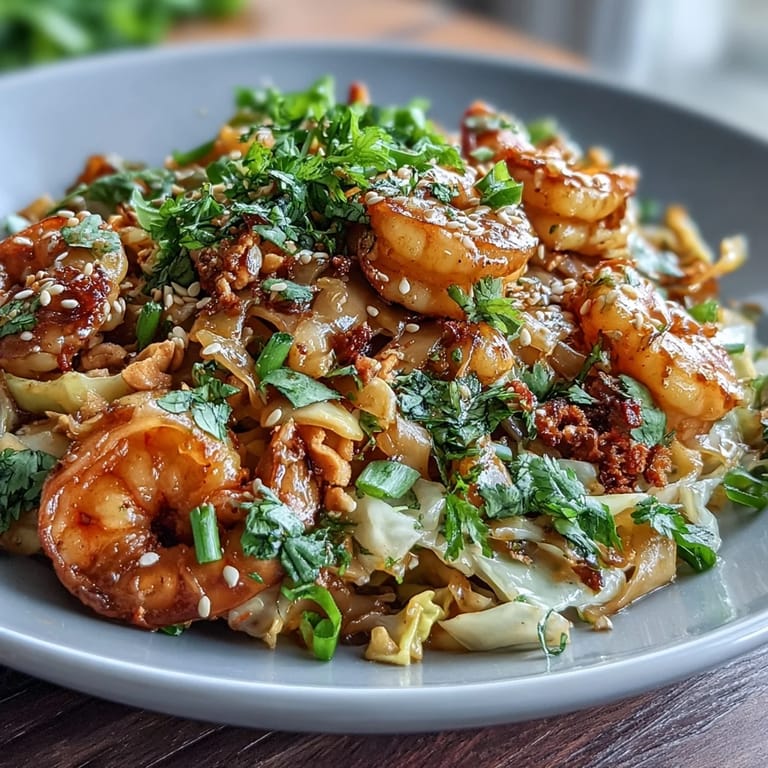
Save The first rainy afternoon I packed this up for a friend's lunch, I added a cheeky handful of bean sprouts for crunch and tucked in an extra lime wedge. We ate at her desk, knees bumping, as she tried to guess how I'd coaxed so much Pad Thai flavor into something so light. That questioning, delighted look is etched in my memory—the moment I realized sharing this dish was half the fun. Every time I make it now, it feels like passing along a little secret. There's genuine joy in surprising people with something so fresh and satisfying.
How to Customize Your Cabbage Pad Thai
The best part about this recipe is how easily you can make it yours with a few kitchen tweaks. Swap in purple cabbage for a colorful twist that stuns at potlucks, or throw in a handful of mung bean sprouts in the last minute of cooking for more crunch. If you're cooking with kids, set toppings out in bowls and let everyone sprinkle their own, which turns dinner into an event instead of a chore. Spice lovers can double up on Sriracha—no judgment here. Honestly, every batch tells a new story depending on what's in your fridge.
Making It Vegetarian or Vegan
Going fully plant-based is a snap—just reach for tofu as your protein and double down on tamari for that deep savory base. If omitting fish sauce, a touch more lime and a hint of toasted sesame oil at the end can balance out that classic salty tang. I sometimes add extra fresh herbs too, like Thai basil or mint, if they're hiding in my crisper. The dish stays bold and lively, with zero compromise on the classic Pad Thai spirit. You'll be surprised how much flavor shines through without a hint of meat or fish.
Serving, Storage, and Reheating Advice
This Pad Thai is best eaten right after tossing with the sauce—the crunch factor is unbeatable when fresh. If you're lucky enough to have leftovers, keep them in a covered container in the fridge for up to two days and revive with a quick flash in a hot pan rather than the microwave. I always add a few extra splashes of lime juice before serving leftovers to brighten things up.
- Let everyone garnish their own bowl so peanuts and greens stay crisp.
- If packing lunch, store lime wedges separately and squeeze at the table.
- Resist freezing—this one's all about real-time crunch!
 Save
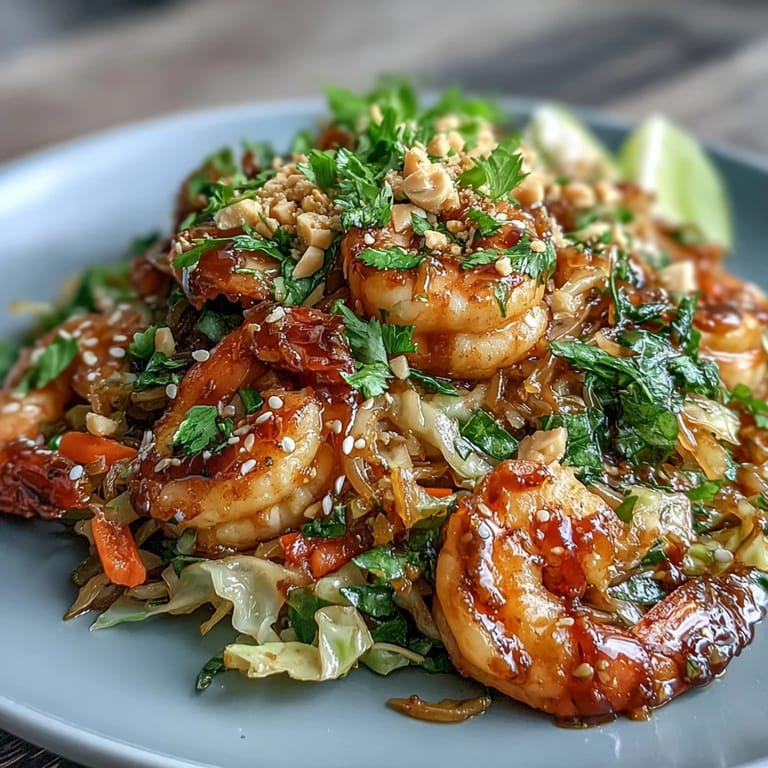
Save This cabbage Pad Thai always manages to turn a handful of humble ingredients into something memorable. Here’s to a dish that brings a little extra crunch and cheer to any day you need it.
Common Questions
- → How do I keep the cabbage crisp and not soggy?
Shred the cabbage finely and stir-fry over medium-high heat in a hot pan, cooking just until tender-crisp (4–5 minutes). Avoid overcrowding the pan and remove from heat promptly to preserve texture.
- → What can I use instead of peanuts for the topping?
Substitute toasted sunflower seeds, chopped cashews, or pumpkin seeds for a similar crunch. For nut-free options, crispy fried shallots or toasted coconut flakes also add texture.
- → How can I make the dish vegetarian or vegan?
Use firm tofu instead of chicken or shrimp and replace fish sauce with extra tamari or a splash of mushroom soy. Use a plant-based sweetener and omit eggs or scramble crumbled tofu for a vegan-friendly protein.
- → Can I prepare components ahead of time?
Yes. Shred the cabbage, julienne vegetables, and mix the sauce up to a day ahead. Cooked proteins can be prepped and cooled; combine and finish stir-frying just before serving to retain crispness.
- → How do I adjust the spice level?
Start with a small amount of chili flakes or Sriracha and taste before adding more. You can also serve hot sauce on the side so diners can control the heat individually.
- → Best reheating method to preserve texture?
Reheat gently in a hot skillet for a few minutes, stirring constantly to warm through without steaming. Avoid the microwave if you want to keep the cabbage from becoming mushy.