 Save
Save One October afternoon, my kitchen smelled like cinnamon and caramelized sweetness before I even finished peeling the butternut squash. My neighbor had dropped off a bag of apples from her tree, and I had this squash sitting on my counter, and suddenly I understood why autumn soups taste like comfort. This butternut squash and apple soup became the dish I make when the weather shifts, when I want something that feels like wrapping your hands around a warm mug and breathing in.
I made this soup for my mom on a Saturday when she was feeling under the weather, and watching her take that first spoonful and smile reminded me that sometimes the simplest dishes do the most meaningful work. She asked for the recipe that afternoon, which was the highest compliment she could give.
Ingredients
- Butternut squash: The star of this soup, providing that creamy texture and gentle sweetness once cooked down. Make sure to choose one that feels heavy for its size, which means it'll be full of flavor.
- Apples: Gala or Fuji work beautifully because they're sweet but not mealy, and they soften quickly in the broth. Don't skip this step by substituting with applesauce, as fresh apples add a brightness the soup needs.
- Yellow onion: Use a medium one chopped roughly, since it'll break down into the soup anyway. The sweetness of yellow onions rounds out the soup better than white ones ever could.
- Garlic: Just two cloves, minced fine, so they distribute evenly through the pot and add depth without shouting.
- Vegetable broth: Four cups is your base, and using a good quality broth makes a real difference. If you have homemade on hand, this is the recipe to use it in.
- Apple cider or unsweetened apple juice: This half cup adds brightness and reinforces the apple flavor. Fresh cider in fall is wonderful, but bottled works perfectly fine year-round.
- Heavy cream or coconut milk: This is what makes the soup feel velvety and luxurious. Use cream if that's your thing, or coconut milk for a vegan version that tastes just as indulgent.
- Cinnamon, nutmeg, and ginger: These three spices are your secret weapon. Use fresh spices from a container you haven't had sitting around for three years, because stale spices will make the soup taste flat.
- Salt and black pepper: Taste as you go, because the broth you're using might already be salty. You want to season gradually so the flavors balance.
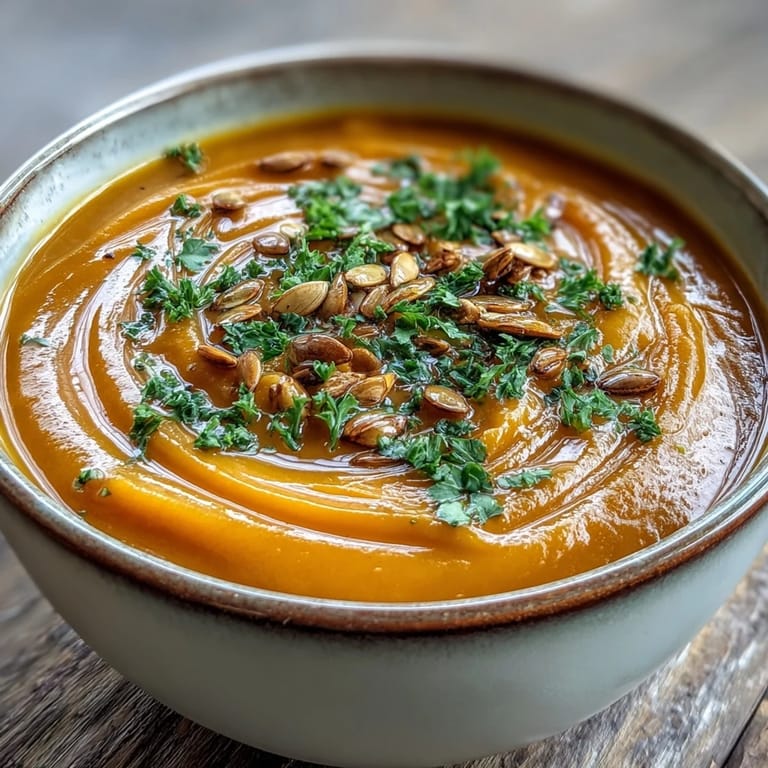
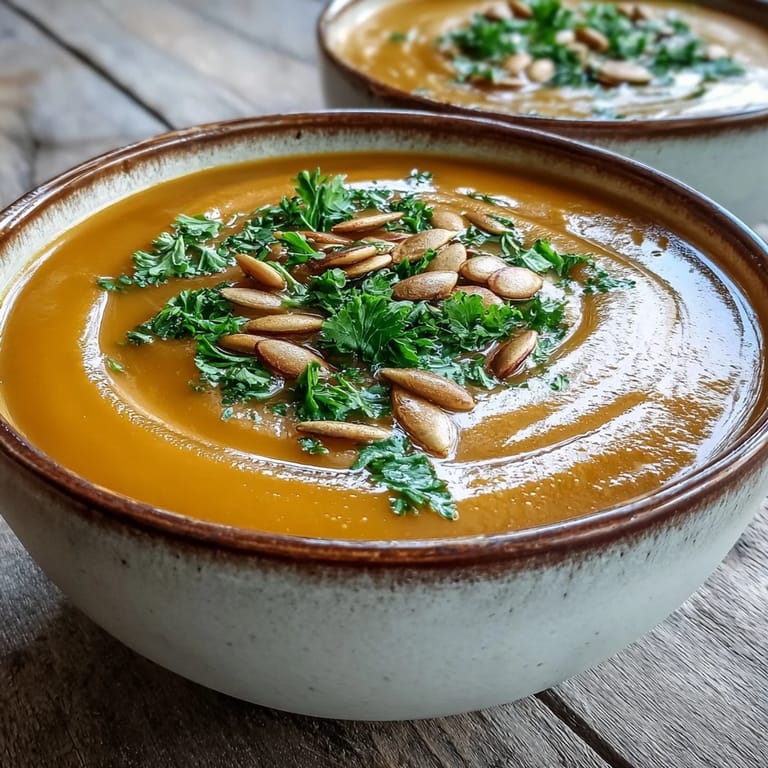
- Toasted pumpkin seeds and fresh parsley: These garnishes add texture and a little green brightness that cuts through the richness beautifully.
Tired of Takeout? 🥡
Get 10 meals you can make faster than delivery arrives. Seriously.
One email. No spam. Unsubscribe anytime.
Instructions
- Heat your pot and soften the onion:
- Pour two tablespoons of olive oil into a large pot and let it get warm over medium heat. Add your chopped onion and listen for that gentle sizzle, then stir occasionally for about four to five minutes until the pieces turn translucent and start smelling sweet rather than sharp.
- Introduce the squash, apples, and garlic:
- Stir in your minced garlic first, let it perfume the oil for about thirty seconds, then add the butternut squash cubes and diced apples. Cook for three minutes while stirring, which helps everything get to know each other before the broth goes in.
- Toast the spices:
- Sprinkle in the cinnamon, nutmeg, and ginger, then stir everything together for a minute. You'll smell them wake up in the warm oil, and that's how you know they're releasing their best flavor.
- Simmer until everything softens:
- Pour in your vegetable broth and apple cider, bring the whole thing to a boil, then reduce the heat and let it simmer uncovered for twenty-five to thirty minutes. The squash and apples should be so tender they practically collapse when you poke them with a spoon.
- Blend into velvet:
- Remove from heat and use an immersion blender to purée everything into a smooth, creamy consistency. If you don't have an immersion blender, let the soup cool slightly and work in batches with a countertop blender, being careful with the heat.
- Make it luxurious:
- Stir in your cream or coconut milk, taste a spoonful, and season with salt and pepper until it tastes right to you. Reheat gently if needed, then ladle into bowls.
 Save
Save There's something magical about serving a bowl of this soup to someone and watching them understand why autumn is the best season for cooking. The warmth, the colors, the way it fills your kitchen with anticipation—that's when food stops being fuel and becomes a moment.
The Roasting Shortcut That Changes Everything
If you have thirty minutes before you want to make the soup, try roasting your butternut squash cubes at four hundred degrees for about twenty minutes with a light drizzle of olive oil and a pinch of salt. The roasting caramelizes the edges and deepens the flavor in a way that simmering alone never quite reaches. I discovered this by accident one day when I was running behind, decided to get the squash in the oven while I prepped everything else, and couldn't believe the difference it made. Your soup will taste richer, more complex, like someone's been tending a kitchen all day instead of pulling together a quick lunch.
Making It Your Own
This recipe is flexible enough to handle your experiments without falling apart. I've added a tiny pinch of cayenne for subtle heat, which surprised me with how much it woke up the flavors without making the soup spicy. Some people swear by adding fresh sage or thyme, and honestly, they're not wrong. The key is respecting the base—the squash and apple and spices are doing important work—but feeling free to play around once you understand what they're doing.
Serving and Storage Wisdom
This soup keeps in the refrigerator for about four days and reheats beautifully on the stove or in the microwave, though the stovetop is gentler on the texture. You can also freeze it for up to three months, though I'd skip the cream until you're reheating it, since cream can sometimes separate after freezing. Serve it with crusty bread for dipping, or alongside a sharp green salad to balance the sweetness.
- If you're making this for a crowd, you can easily double the recipe and use a bigger pot without changing the cooking times much.
- Leftovers are perfect for lunch the next day, and the flavors actually blend together better as it sits overnight.
- Keep your garnishes separate until serving, so the pumpkin seeds stay crispy and the parsley stays bright green.
 Save
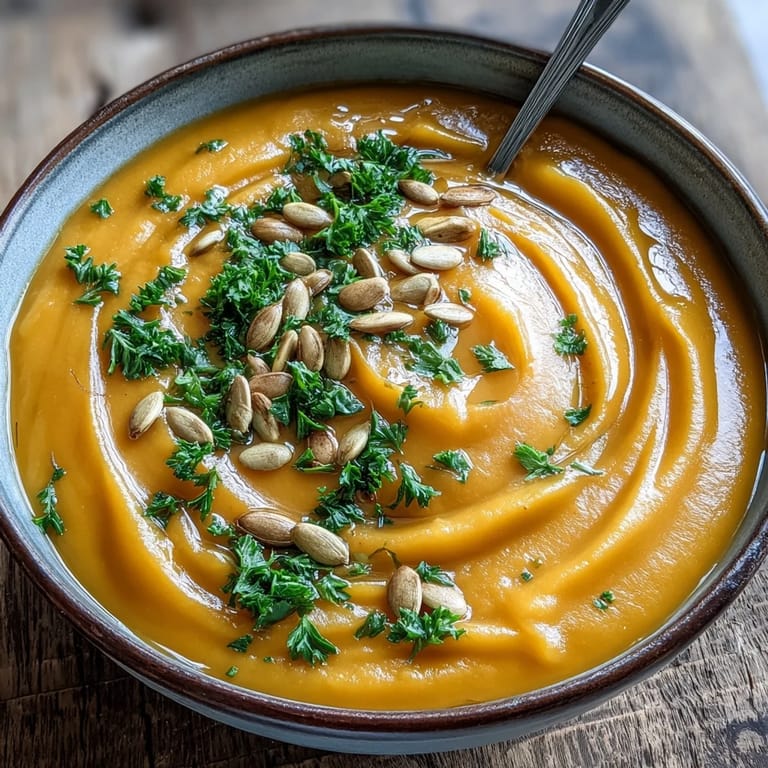
Save This soup has become my default move when I want to feel like I've done something special without actually spending hours in the kitchen. Make it, share it, and watch how a bowl of warm butternut squash and apple soup brings people together in the best possible way.
Common Questions
- → Can I make this soup ahead of time?
Absolutely. This soup actually develops deeper flavors when made 1-2 days ahead. Store in an airtight container in the refrigerator and reheat gently on the stovetop, adding a splash of broth if needed to thin the consistency.
- → What apple varieties work best?
Sweet apples like Gala, Fuji, or Honeycrisp provide excellent balance. Avoid tart varieties such as Granny Smith, as they can overpower the squash's subtle sweetness. The apples should be firm enough to hold their shape during simmering.
- → How do I achieve the smoothest texture?
An immersion blender directly in the pot produces the silkiest results. If using a countertop blender, work in small batches and vent the lid to release steam. For extra refinement, pass the puréed soup through a fine-mesh sieve before adding the cream.
- → Can I freeze this soup?
Yes, freeze for up to 3 months in freezer-safe containers, leaving space for expansion. Thaw overnight in the refrigerator before reheating. Note that cream-based versions may separate slightly when frozen; whisk thoroughly while reheating to restore smoothness.
- → What can I serve alongside this soup?
Crusty bread, focaccia, or warm dinner rolls complement the creamy texture beautifully. A simple green salad with vinaigrette provides refreshing contrast. For heartier meals, pair with grilled cheese sandwiches or roasted root vegetables.
- → How can I add more protein?
Stir in white beans or chickpeas during the final simmer for plant-based protein. Alternatively, top with toasted pumpkin seeds, chopped pecans, or a dollop of Greek yogurt. For non-vegetarian options, serve alongside roasted chicken or add crispy pancetta bits.